





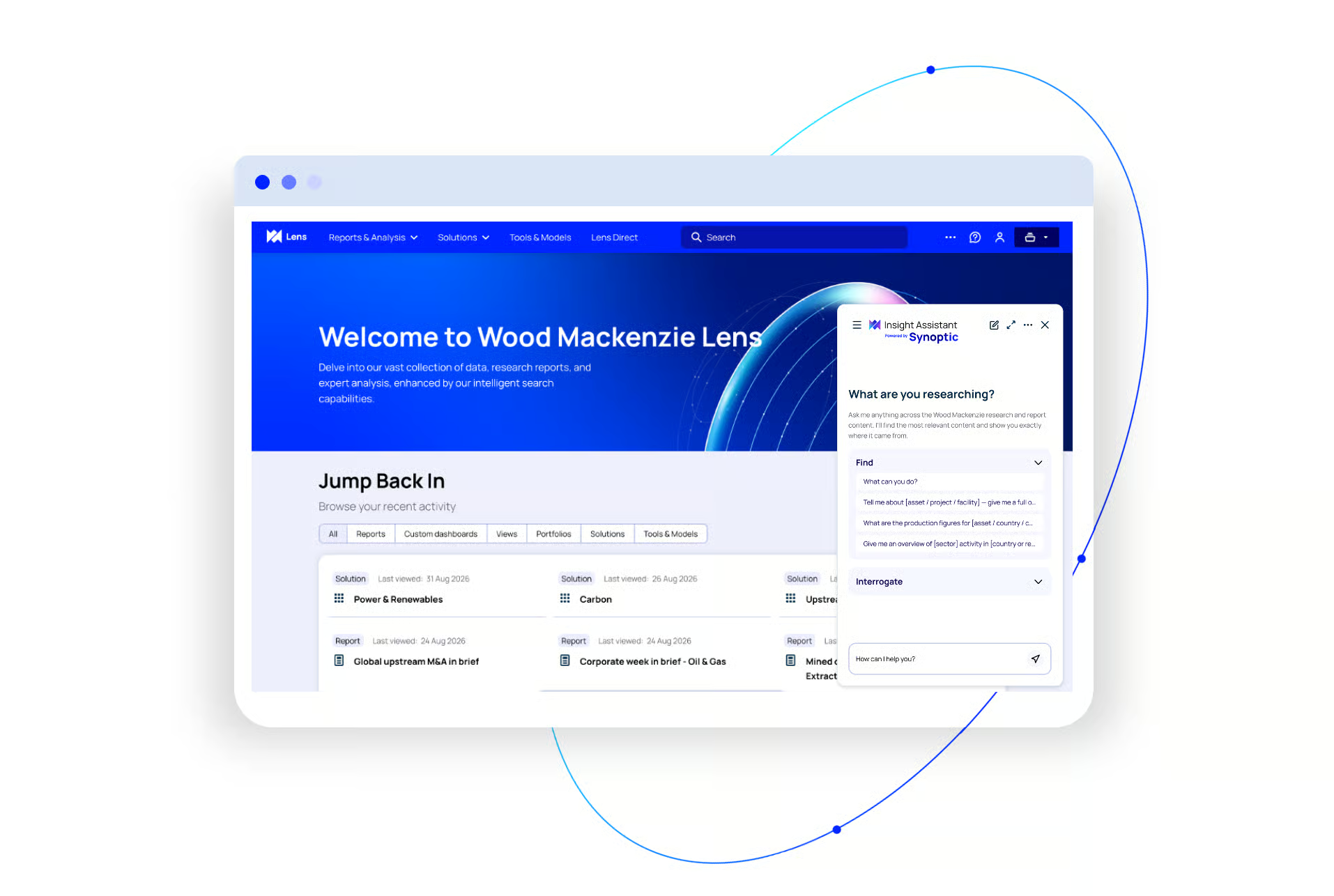
In volatile markets, knowing what has changed is only the starting point. Gain the context needed to see where impacts could emerge, evaluate your exposure, and assess the options available to move forward with confidence.
When supply routes change,
stay on course.
Build resilience across globally connected gas, LNG, crude and refined product markets.
For details on how your data is used and stored, see our Privacy Notice.
Midstream and Downstream Intelligence
Energy security can shift with a single market move. In interconnected energy markets, disruption rarely stays contained. Geopolitical shocks, infrastructure constraints and rerouted trade flows can quickly reshape supply dynamics across regions, intensify cost pressures and put margins at risk.
WoodMackenzie’s midstream and downstream solutions give you earlier visibility into what is changing, where the impact could spread and which options can help strengthen supply resilience.

Connected intelligence, built for energy resilience
- Geopolitical shocks can redraw supply routes faster than planning cycles can adapt.
- Siloed market views can hide how disruption travels across interconnected commodities.
- Delayed reporting leaves teams reacting after physical conditions have already shifted.
- Volatile feedstock costs and changing demand can compress margins and weaken competitiveness.
- Fragmented market and asset data create blind spots when decisions demand speed and clarity.
- Detect physical shifts earlier across flows, storage, production and refinery operations, before reported data confirms the change.
- Follow disruption across the value chain, connecting gas, LNG, crude and refined products from supply source to end market.
- Evaluate supply and margin exposure across feedstock availability, trade flows, product balances and refinery economics.
- Stress-test strategy against evolving geopolitical, policy, demand and trade scenarios.
- Make decisions from a trusted foundation of proprietary data, analyst expertise and consistent market assumptions.
Intelligence from signal to strategy
From early market signal to strategic response, understand how changing conditions shape flows, balances and asset economics.
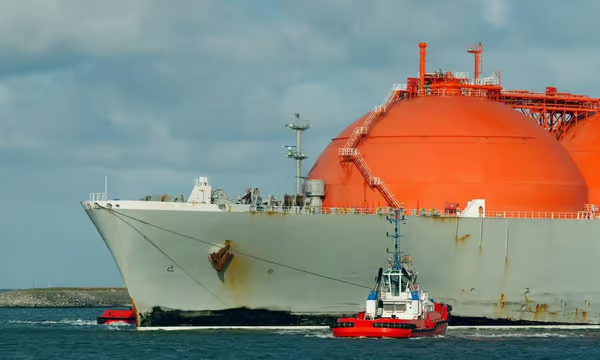
Global LNG shipping routes & terminals
Connect supply, transportation and demand across the global LNG system.
25,000+ gas pipeline locations
Track gas nominations and flows across the US and Canada.
Every LNG, plant, ship & terminal
Asset-level data and analysis spanning projects and markets worldwide.
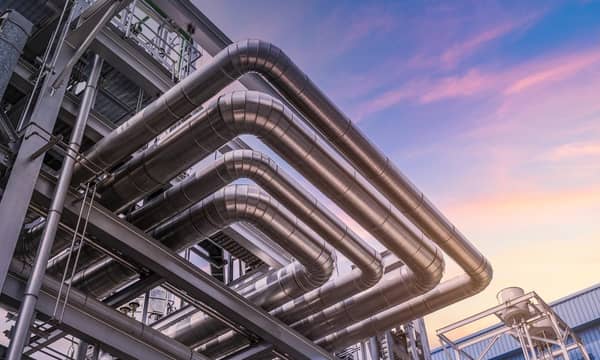
80%+ of Western Europe’s long-haul oil pipeline capacity
Including coverage of the Druzhba system, with real-time pipeline intelligence.
See how disruption moves across the value chain
Explore the capabilities that connect physical market signals, global fundamentals and asset-level economics:



Turn market shifts into stronger decisions
Use connected market and asset insight to:

Strengthen supply resilience and diversification
Strengthen supply resilience and diversification
Identify exposure across suppliers, routes and assets, and evaluate alternative sources when supply is disrupted.

Plan procurement with greater confidence
Plan procurement with greater confidence
Align near-term physical signals with longer-term market outlooks to inform contracting, feedstock and inventory decisions.

Protect margins and asset performance
Protect margins and asset performance
Understand how shifts in supply, costs, product balances and refinery economics could affect competitiveness.

Evaluate infrastructure and portfolio exposure
Evaluate infrastructure and portfolio exposure
Assess how shifting flows and market conditions affect infrastructure, asset performance and portfolio strategy.

Prepare for multiple outcomes
Prepare for multiple outcomes
Stress-test infrastructure, commercial and investment scenarios against changing market, policy and geopolitical conditions to build more resilient contingency plans.
Contact us
Build greater resilience into your energy strategy.
FAQs
Monitoring physical indicators such as pipeline flows, storage movements, production, LNG activity, crude movements and refinery operations can provide earlier visibility into changing market conditions. Combining these signals with market fundamentals helps teams assess whether a change is temporary or could have broader implications for supply and availability.
A more resilient strategy starts with understanding exposure across suppliers, routes and assets, and identifying viable alternatives if established sources are disrupted. Connected market and asset intelligence can help teams evaluate diversification options and incorporate them into procurement and contingency planning.
Disruption rarely remains isolated within a single part of the energy system. Changes in supply routes, infrastructure or demand can have implications across interconnected commodities and markets. Looking across the value chain can reveal impacts that may be missed when gas, LNG, crude and refined products are analysed separately.
Teams need visibility into suppliers, infrastructure, transportation routes and market conditions to understand where alternatives may exist. For example, analysis of gas and LNG can incorporate pipelines, storage, production, liquefaction and regasification infrastructure, contracts and shipping routes, while crude analysis can include production, pipelines, storage, rail and waterborne movements.
Scenario analysis allows teams to test infrastructure, commercial and investment decisions against different assumptions for supply, demand, policy, trade and geopolitical conditions. Rather than planning around a single expected outcome, this provides a way to identify vulnerabilities and develop more resilient contingency plans.
Be the first to access our complementary insights
Loading...