




Everything you need to know about the energy transition
The age of power and renewables has already begun.
Detailed analysis on the future of renewable energy for your industry
The global energy system is entering a security-first era. Energy security, affordability, economic growth and sustainability are increasingly competing priorities.
Explore our modelling of five credible energy transition pathways and the forces reshaping the global energy system to 2060.

Find out more below about the future of renewable energy and what the energy transition could mean for your business.
What is the energy transition?
An energy transition disrupts the status quo. A new energy source emerges, leading to a structural and permanent change in supply, demand, energy mix and prices.
The energy transition underway today is reshaping how energy is produced, transported and consumed. Electrification, renewables, nuclear, storage and other low-carbon technologies are changing the global energy mix, while energy security, affordability and economic growth are increasingly influencing the pace and direction of change.
What is driving the current energy transition?
Electrification is becoming increasingly central to the energy transition. Economic development, AI and data centres, and the electrification of transport, buildings and industry are all increasing pressure on power systems. At the same time, concerns around energy security are driving countries to reassess their dependence on imported fuels.
Our latest energy transition outlook shows these forces do not necessarily pull in opposite directions. Greater investment in renewables, nuclear, storage, grids and electrification can strengthen energy security while also supporting lower emissions.
-
2x
Global power demand by 2060 in our base case
-
2,500+ GW
Generation, storage and large-load projects waiting for grid connections
-
2x
Global data-centre capacity between 2026 and 2030
-
5
Energy transition scenarios exploring potential pathways to 2060
The latest energy transition news and analysis
Loading...
The energy transition is already underway. What could it mean for your business?
-
How will rising electricity demand reshape global energy markets?
-
How could energy security change the pace and direction of the transition?
-
What will AI and data-centre growth mean for power systems and investment?
-
Where could grid constraints create risks and opportunities?
Talk to a consultant with expertise in your sector and region today.
For details on how your data is used and stored, see our Privacy Notice.

FAQs
The energy transition outlook 2026 explores how energy security, economic growth, technology, policy and electrification could reshape the global energy system to 2060. It uses five scenarios to examine potential pathways for energy demand, supply, investment and emissions.
This report is valuable for energy professionals, investors, policymakers, and anyone interested in future energy trends. It provides actionable insights and data-driven guidance for navigating the evolving energy landscape. Explore the outlook.
Energy transition products and services
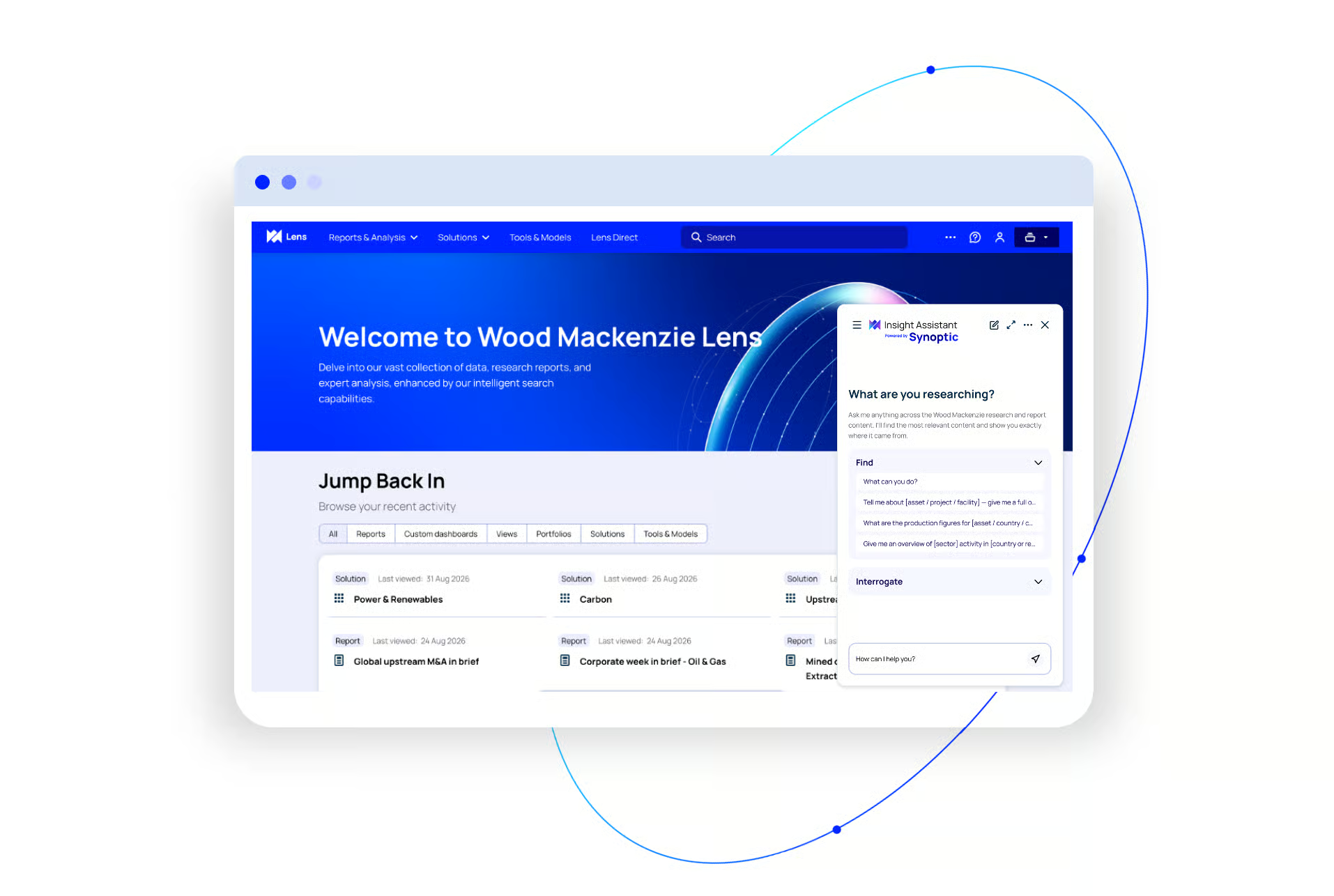
Lens Energy Transition Scenarios
Get the data and analysis to chart your strategic course through the transformation of the energy landscape with Lens Energy Transition Scenarios.
Electric Vehicle & Battery Supply Chain Service
Leverage our industry-leading expertise to boost profitability and reach your net zero goals
Emissions Benchmarking Tool
Inform strategic decisions regarding emissions risk management via competitive benchmarking, portfolio analysis and economic impact assessment.
Energy Transition Service
Quantify the pace and change of the energy transition across all commodities, markets, technologies and segments.
Macroeconomics
Understand the interplay between commodities and the economy with macroeconomics analysis to help forecast the pace of global economic development to 2035.