












The latest Insight reports available to purchase in our online store.
Customers with subscription access can download these and more.
Customer log-in
In-depth insights exploring the consequences to global oil supply, Middle East energy production, chemicals and metals supply chains, and energy security across international markets.
The escalating Middle East conflict represents a critical inflection point for global energy markets and natural resource supply chains. Disruptions to major oil and gas export routes, heightened geopolitical risk, and supply chain vulnerabilities are reshaping energy security considerations worldwide. Access Wood Mackenzie's expert analysis on market impacts, price dynamics, supply alternatives, and corporate strategy implications.
Access expert analysis and market intelligence
Loading...
 Webinar
 Webinar
 Webinar
 Webinar
What you need to know about this evolving situation.
Customers with subscription rights have access to more detailed reports, analysis and data. Visit the Customer portal hub page with coverage from the Middle East conflict – log-in now.
The Middle East region produces a significant portion of the world's crude oil and natural gas, with major producers including Saudi Arabia, UAE, Iraq, Kuwait, Qatar, and Iran. The region's strategic importance stems from its massive hydrocarbon reserves, low-cost production, and concentration of export infrastructure through key maritime routes. Any disruption to Middle East energy flows has immediate implications for global oil prices, LNG markets, refining operations, and energy security across importing nations.
The Strait of Hormuz is a narrow maritime passage connecting the Persian Gulf to international waters. It serves as the primary export route for crude oil, condensate, refined petroleum products, and liquefied natural gas from major Gulf producers. The strait is considered one of the world's most critical energy chokepoints. Disruptions to shipping through this waterway can trigger supply shortages, insurance market reactions, freight rate increases, and energy price volatility across global markets.
Geopolitical tensions in the Middle East introduce supply risk premiums into oil markets. During periods of heightened conflict, traders anticipate potential production disruptions, export route closures, or infrastructure damage. This uncertainty drives oil price volatility and can result in sustained price increases. The magnitude of price impact depends on the severity of disruptions, availability of alternative supply sources, effectiveness of strategic reserve releases, and demand-side responses to higher energy costs. Historical precedents show conflicts can drive dramatic price increases when actual or anticipated supply losses are significant.
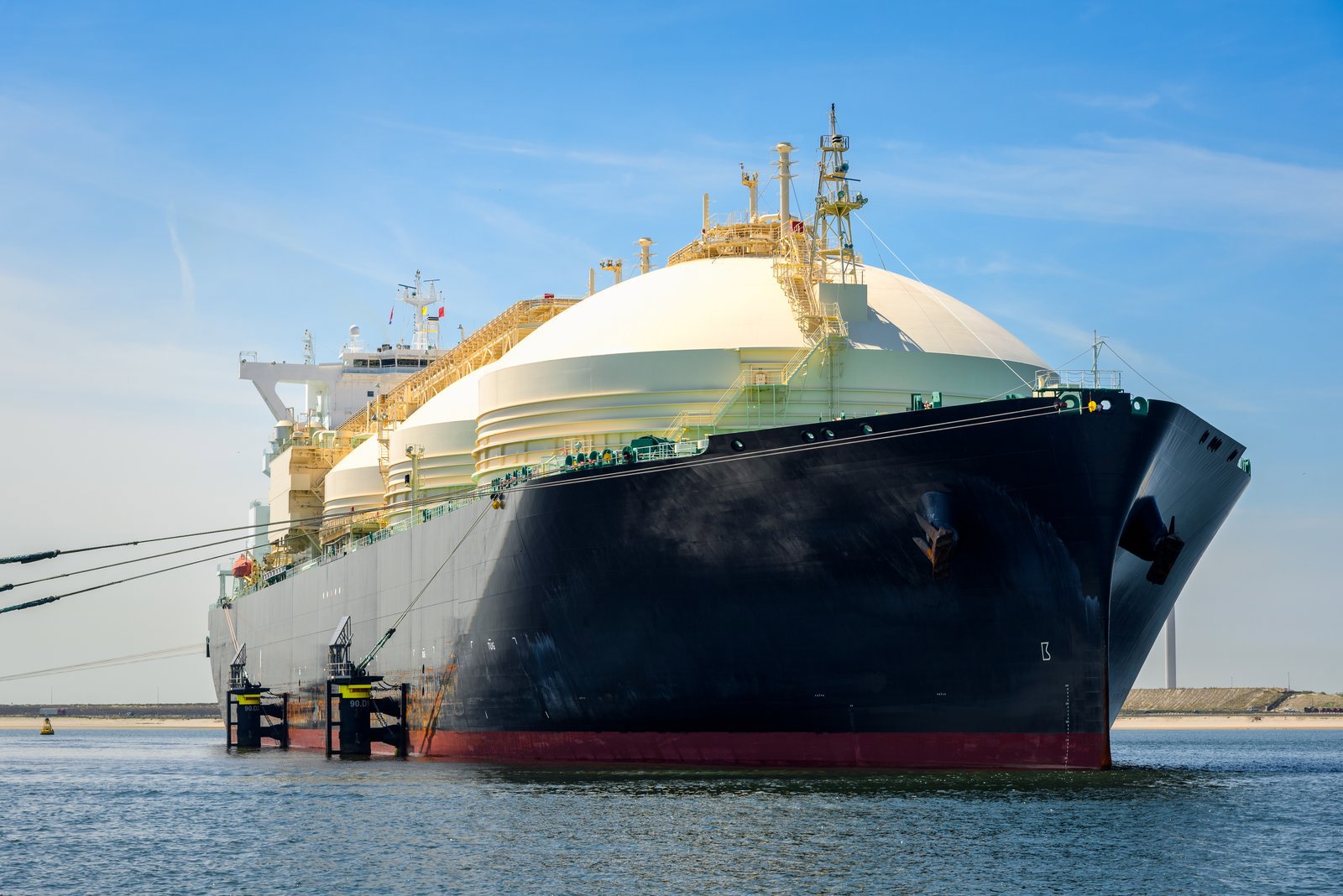
Middle East conflicts can significantly impact liquefied natural gas (LNG) supply chains, particularly exports from Qatar, a major global LNG producer. Disruptions create market tightness, intensify competition between Asian and European buyers, and pressure natural gas prices upward. Additional factors include potential impacts to regional pipeline gas flows, precautionary production shutdowns at offshore fields, and constraints on LNG shipping routes. European gas storage levels, Asian demand patterns, and seasonal weather conditions all influence how quickly markets respond to supply disruptions.
Relations between Iran and the United States have escalated into direct military conflict. On 28 February, the US and Israel launched attacks on Iranian government, military and nuclear targets, killing Iran’s Supreme Leader Ayatollah Al-Khamenei and several senior leaders of the Iranian Defence Council. Iran retaliated with missile and drone strikes targeting Israel and US military bases across the GCC region, resulting in civilian casualties and damage to infrastructure. The US has said it hopes for a swift resolution, and negotiations are understood to be beginning with Iran, mediated by Oman. However, Iran has declared “total war” on Israel and the United States, raising the risk of further escalation.
The conflict poses a major risk to global energy markets because the Strait of Hormuz is a key route for oil and LNG exports. Around 15% of global oil supply flows through the Strait, and tanker traffic has effectively ceased after insurance coverage was withdrawn. The loss of these exports would significantly disrupt global markets and could push oil prices well above US$100 per barrel. In addition, around 81 Mt of LNG, nearly 20% of global supply, transits the Strait each year. Disruptions to these flows could dramatically tighten global gas markets and increase competition between Asia and Europe for available LNG cargoes.
An oil price shock caused by the conflict is expected to affect the petrochemical sector. Rising oil prices would weaken the value of feedstocks such as naphtha. Disruptions to Middle East exports and higher energy prices could therefore negatively impact petrochemical markets while increasing pressure across energy intensive industries.
Oil prices have increased because the conflict threatens exports from the Gulf region. Around 15 million barrels per day of crude and refined product exports pass through the Strait of Hormuz, and any prolonged disruption to this route would remove a significant volume of supply from global markets. Even if flows are restored quickly, it could take weeks for exports to return to normal. Market fears over potential supply losses have therefore increased the risk of a sharp rise in oil prices.
The Iran conflict affects LNG prices primarily through potential disruption of the Strait of Hormuz, which handles 81 million tons of LNG (20% of global supply). Gas prices spiked dramatically during the escalation, with European prices jumping from €31 to €47 per megawatt hour, as markets react to the risk of supply bottlenecks at this critical transit chokepoint
The Middle East conflict affects oil prices through major supply disruptions, particularly when the Strait of Hormuz faces closure, which impacts 12-14 million barrels per day of crude oil representing 15% of global demand. During the recent escalation, oil prices rose to around $80 per barrel as markets reacted to the potential loss of this critical supply route. International oil companies are especially vulnerable since they derive about 12% of their production from the affected Middle East region.
The Strait of Hormuz handles approximately 12-14 million barrels per day of crude oil and condensate, representing about 15% of global oil demand. Additionally, the strait sees significant refined product flows including about 1 million barrels per day of LPGs and 3 million barrels per day of other refined products. For LNG, about 81 million tons (20% of the global LNG market) transits through this critical chokepoint annually.
The Strait of Hormuz is a critical artery that enables Middle East energy exports to reach global markets. It serves as a key part of the global energy supply chain, and any closure essentially cuts off this major source of supply. The strait's strategic importance stems from the massive volume of energy that flows through it daily - making it one of the world's most vital energy transit routes.
International oil companies (IOCs) derive approximately 12% of their total production from Middle East countries affected by potential Strait of Hormuz disruptions, representing about 10% of their value. Chinese national oil companies also have significant exposure to the region. Beyond direct production, many countries rely on Middle East oil imports, with the region being particularly critical for Asian markets and European energy security.
Middle East conflicts make countries reconsider their energy policies, with many viewing energy security disruptions as signals to accelerate investment in low-carbon, domestically-sourced energy. Countries may pursue greater energy self-sufficiency through renewable sources to reduce dependence on volatile regions. Conversely, some nations may also reconsider restrictions on domestic fossil fuel production as an interim security measure while transitioning to renewables.
Most OECD countries maintain strategic oil reserves equivalent to about 90 days of net import requirements. During supply disruptions, the International Energy Agency (IEA) coordinates strategic stock releases to compensate for material supply losses. The duration these reserves can sustain depends on the scale of disruption - for a closure affecting 12-14 million barrels per day, coordinated releases would be essential and could provide several months of buffer while alternative supplies are secured.
Geopolitical events create supply disruption risks that immediately impact oil prices through market psychology and actual supply constraints. During the recent Middle East escalation, oil prices rose to around $80 per barrel as markets priced in potential supply losses. The magnitude of price impact depends on the scale of threatened supply, duration of disruption, and availability of alternative sources. Events affecting major chokepoints like the Strait of Hormuz have outsized impacts due to the volume of oil at risk.
Sustained oil prices at $100+ per barrel would significantly impact global economic growth. At $100 per barrel, global GDP growth could slow to around 2.2%, while prices sustained at $150 per barrel could push growth below 2% to approximately 1.7% - a level typically associated with global recession. The last time global growth fell below 2% outside of major crises was 1993. Higher oil prices also complicate monetary policy, potentially adding 1.4 percentage points to inflation and forcing central banks like the Federal Reserve to delay planned interest rate cuts or even consider rate increases, which could further suppress economic activity in non-energy sectors.
Several alternative routes could partially offset Strait of Hormuz closures, though with limited capacity. Saudi Arabia's East-West pipeline can transport oil to Red Sea ports, bypassing the Gulf entirely. The UAE has pipeline capacity to move oil to Fujairah on the Gulf of Oman. Iraq's pipeline system through Kurdistan to the Mediterranean provides another route, though this has faced its own disruptions. However, these alternatives cannot fully replace the 12-14 million barrels per day that normally transit through Hormuz. The effectiveness of these diversions depends on their operational status and available spare capacity at the time of any closure.
For LNG, Italy faces significant vulnerability as it imports a substantial portion of the Qatari LNG volumes that flow into Europe, representing a major share of Italian gas demand. Asian buyers are generally most exposed, with China importing almost 20 million tons of Middle Eastern LNG annually. Countries like India, Pakistan, and Bangladesh also import significant Qatari volumes but may be more likely to reduce demand rather than pay high spot prices for alternatives. International oil companies with heavy Middle East exposure (around 12% of production) face operational and financial risks, while countries dependent on Middle East refined products - particularly those importing the 3+ million barrels per day of products that transit through Hormuz - would face supply shortages and price spikes.
Chairman, Chief Analyst
Chairman, Chief Analyst
Simon is our Chief Analyst; he provides thought leadership on the trends and innovations shaping the energy industry.
View Simon Flowers's full profileVice Chair Americas and host of Energy Gang podcast
Vice Chair Americas and host of Energy Gang podcast
Ed examines the forces shaping the energy industry globally.
View Ed Crooks's full profileHead of Upstream Analysis
Head of Upstream Analysis
As head of upstream research, Fraser maximises the quality and impact of our analysis of key global upstream themes.
SVP Refining, Chemicals & Oil Markets
SVP Refining, Chemicals & Oil Markets
Alan is responsible for formulating our research outlook and cross-sector perspectives on the global downstream sector.
Vice President, Head of M&M Research
Vice President, Head of M&M Research
Lindsay has deep expertise in Upstream Oil & Gas and has covered the sector since joining us in 2008.
Vice President Research, Commodities, Gas & LNG
Vice President Research, Commodities, Gas & LNG
Giles heads our LNG and gas asset research and manages our market-leading LNG Service & Tool and LNG Corporate Service.
Vice President, Head of Gas & LNG Markets
Vice President, Head of Gas & LNG Markets
Ixchel leads our research on downstream markets in North and Latin America.
Head of Oils & Chemicals Markets
Head of Oils & Chemicals Markets
Guy brings over 15 years of experience in regulation and sustainability.
Head of LNG Strategy and Market Development
Head of LNG Strategy and Market Development
Kristy brings over fifteen years of gas and energy industry experience to her role leading our Gas and LNG Consulting.
Vice President, Gas and LNG Research
Vice President, Gas and LNG Research
Massimo brings extensive knowledge of the entire gas industry value chain to his role leading gas and LNG consulting.
The latest Insight reports available to purchase in our online store.
Customers with subscription access can download these and more.
Customer log-in