



RE+ 2026: Key insights from the Wood Mackenzie & SEIA Lunch Briefing
Power Demand: Adapting the Market to Prevent the Breaking Point
At RE+ 2026, Wood Mackenzie and SEIA explored how changing demand, policy and market conditions are reshaping investment decisions across US solar and storage.
Three key takeaways
1: Solar remains resilient through 2030 — but challenges lie beyond
Safe-harbored projects are expected to sustain utility-scale solar installations through 2030 despite permitting, trade and regulatory headwinds. Beyond 2030, higher system costs and tax credit expiration create greater pressure for standalone solar, while solar-plus-storage hybrids are projected to account for nearly 60% of annual installations by 2036.
2: Storage growth remains strong, but merchant revenues are volatile
Storage is expected to continue a strong growth trajectory as renewables and load increase. However, merchant revenues will remain volatile and vary across systems, making nodal modelling and scenario analysis increasingly important when assessing long-term project viability.
3: Data centres are reshaping the demand picture
Data centres are expected to account for 65% of US electricity demand growth through 2036, rising from 9% of total US electricity demand in 2026 to 25% by 2036, with technology and data-company solar procurement concentrated in WECC, ERCOT, MISO and PJM.
How Wood Mackenzie supports these decisions
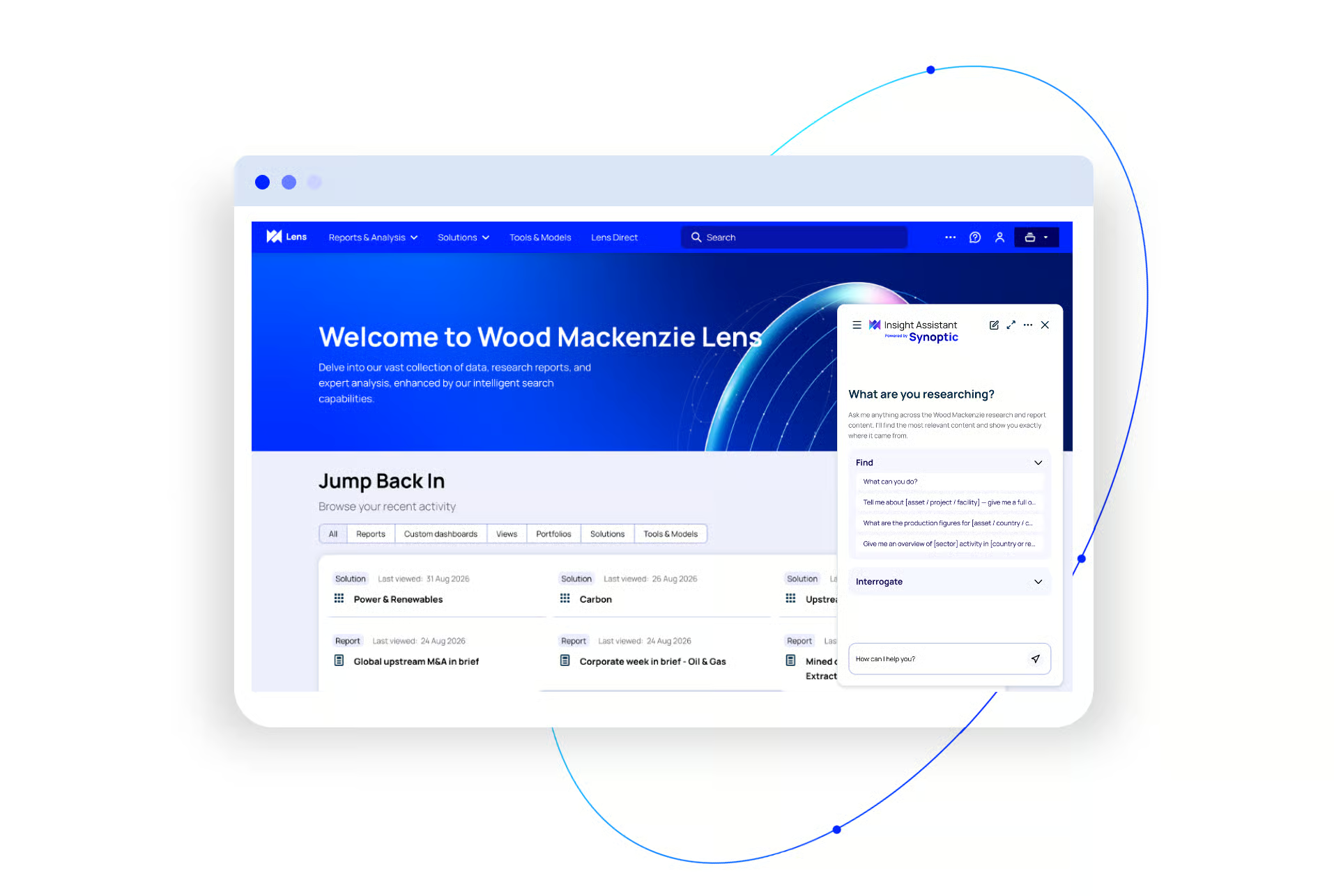
Wood Mackenzie brings together Lens Power & Renewables Americas, LandGate and Asset Revenue Forecasting to help teams understand market opportunity, assess potential development locations and evaluate project-level revenue potential.


