




Ankita Chauhan
Global Supply Chain and Integrated Power & Renewables Research

Ankita Chauhan
Global Supply Chain and Integrated Power & Renewables Research
Latest articles by Ankita
View Ankita Chauhan 's full profileAcross markets, the global cleantech supply chain has shifted from an expansion-led state of overcapacity to a strategic consolidation and geographic realignment. Those who navigate policy complexity and secure compliant supply chains early, and strike a balance between resilience and cost, will be at an advantage.
Decisions taken in 2026, particularly around manufacturing sourcing and critical mineral processing, will determine the scale, cost and feasibility of clean technology deployment through the 2030s.
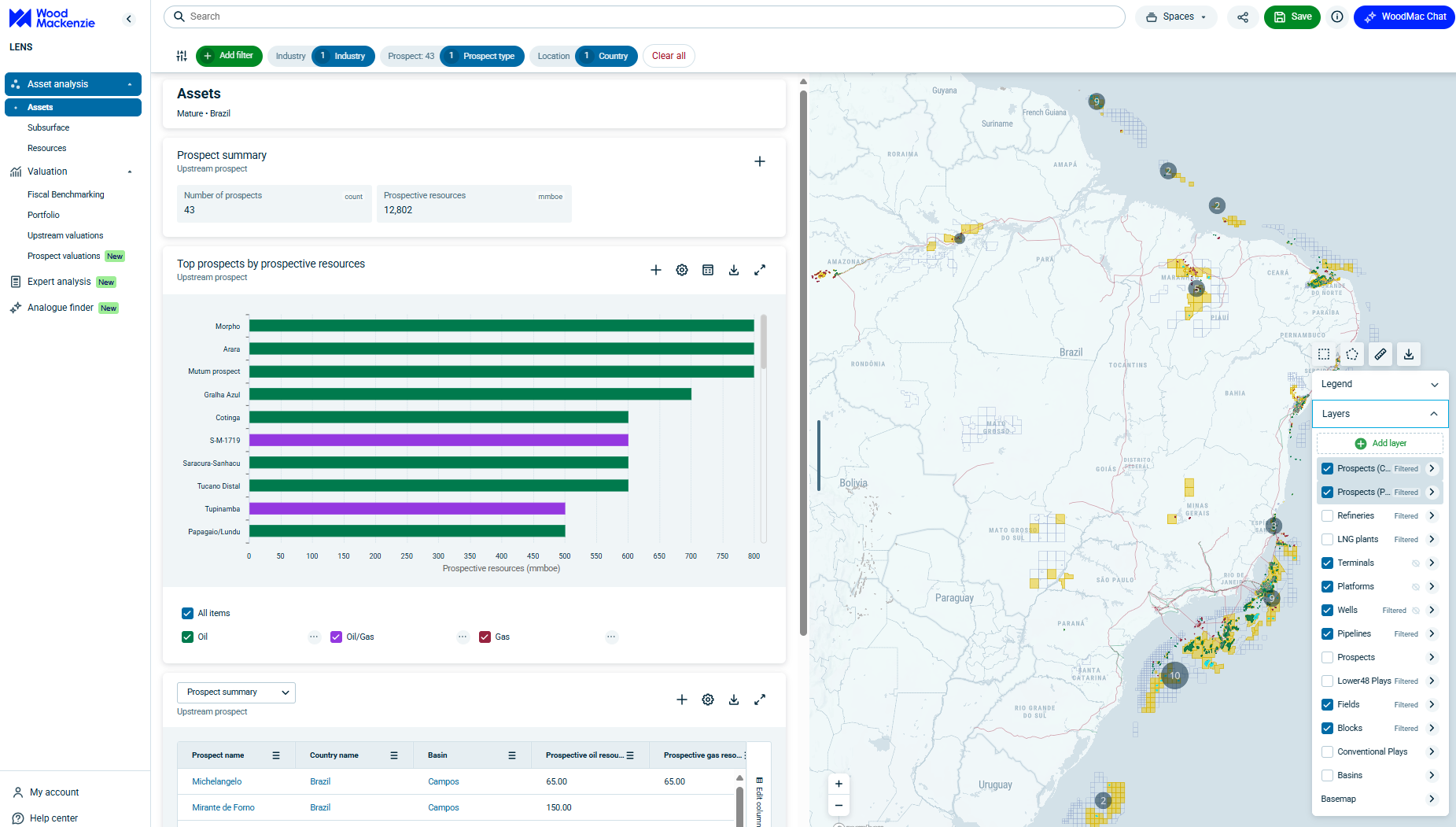
That in mind, we’ve drawn on unique insight from Wood Mackenzie Lens Power & Renewables and Supply Chain Analytics to compile our pick of the key themes to watch in the year ahead – and the policy signposts to look out for.
Fill in the form to access Global cleantech supply chain: key themes in 2026, or read on for a brief introduction to some of the topics explored.
Policy-driven supply chain localisation will be a defining theme of 2026
The push for supply chain resilience continues. While China consolidates manufacturing to institute growth discipline, Southeast Asia’s role will wane due to trade barriers. Capacity localisation will intensify with India and the Middle East emerging as new hubs for solar manufacturing.
Europe continues to pursue domestically produced Made in EU PV modules, albeit at a limited scale. In contrast, the US is aggressively reshaping its procurement regulations for foreign suppliers and tariff regimes across technologies, which could lead to a supply gap in 2026 between existing projects entering construction and domestic demand, especially for battery storage.
Is supply adequacy achievable by 2030? For more on this, read the full report.
Technology pivots toward efficiency, integration and standardisation
Expect to see solar players focus on incremental efficiency and integrated systems with improved utilisation and cost stability. By late 2026, competitive advantage in PV will hinge on delivering fully integrated module–inverter–tracker ecosystems with advanced digital monitoring and grid-support capabilities.
Energy storage is set to see early commercialisation of sodium-ion batteries, riven by concerns over lithium-ion supply chain resilience. In parallel, leading suppliers of lithium-ion batteries are advancing towards higher energy density, improved safety and smaller land footprint, with new battery cell capacities.
Meanwhile, wind original equipment manufacturers (OEMs) will shift away from size escalation towards performance and manufacturing discipline.
Also in Global cleantech supply chain: key themes in 2026…
After years of volatility, prices in the cleantech supply chain look set to stabilise – but will policy risks mean margins remain under pressure? And investment in new clean energy technologies is surging – where will that be focused?