




How upstream firms have quietly revolutionised exploration efficiency
The data behind a quieter transformation in upstream exploration performance
2 minute read

Adam Wilson
Senior Research Analyst, Subsurface

Adam Wilson
Senior Research Analyst, Subsurface
Adam is a senior contributor to our global exploration research.
View Adam Wilson's full profileWhile traditional upstream exploration metrics since the turn of the millennium tell a story of decline, diving deeper into the data tells a different story. Activity levels in terms of conventional exploration and appraisal spend and number of wells drilled may be lower, but exploration is firmly on the up.
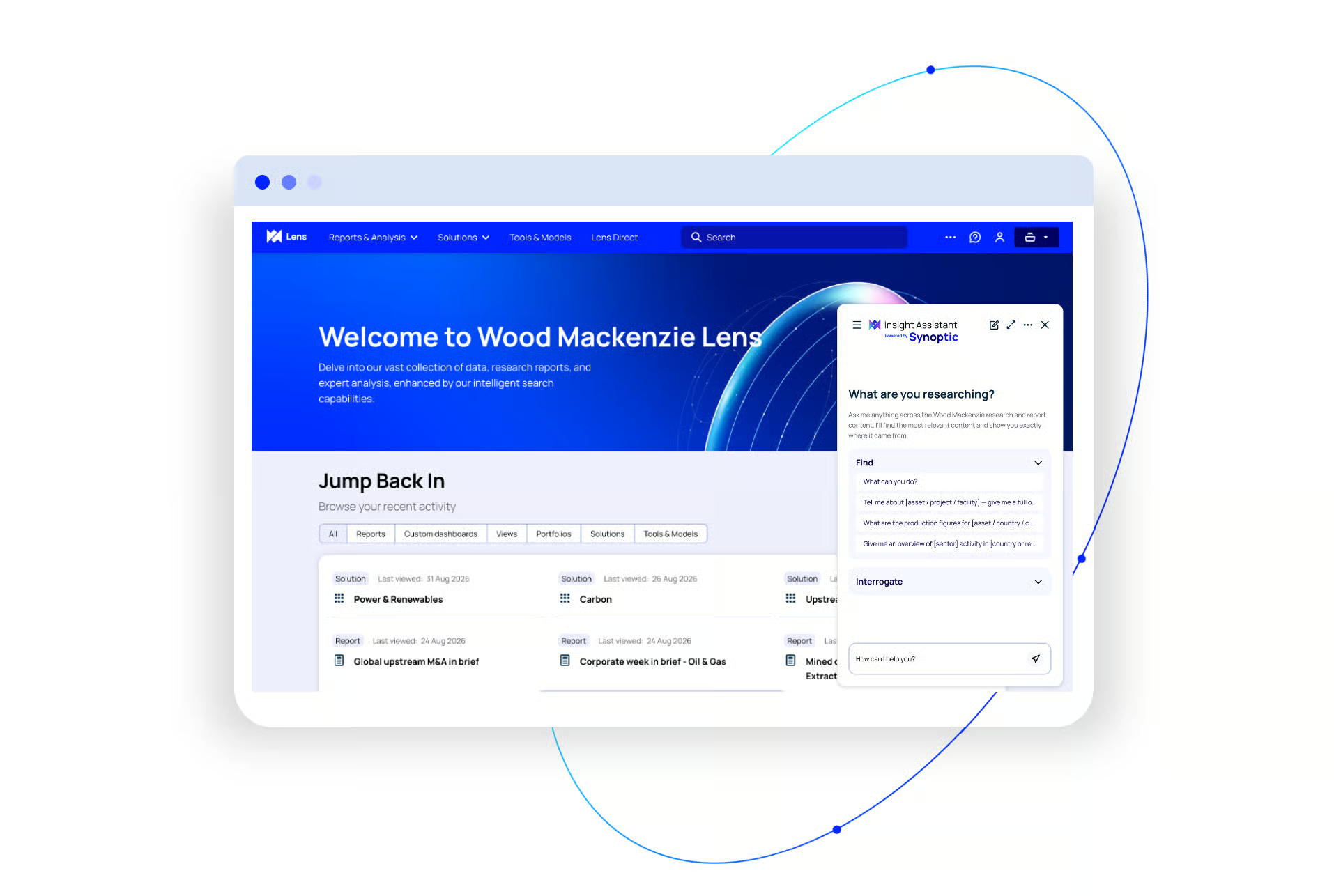
Drawing on data from Wood Mackenzie’s Lens Subsurface , our expert analysts have compiled a report demonstrating that far from being a sector in retreat, since 2015, oil and gas exploration has undergone a genuine efficiency revolution.
In the full report:
- Historic conventional exploration and appraisal (E&A) spend trends
- Why traditional exploration metrics paint a picture of sustained decline
- The underlying productivity story revealed by analysing resource discovered per well
- Discovery cost trends since 2015, based on volumes per exploration dollar spent
- Spending trends by company type, geographic concentration and water depth
This report is aimed at upstream exploration, subsurface and new ventures professionals interested in understanding exploration trends, prospect screening and resource quality.
The efficiency revolution: more bang for your exploration buck
Is oil and gas exploration in decline? Oil and gas well counts are down 60% from their 2014 peak, discovered volumes below historical averages and total E&A spend less than a third of its all-time high. But these headline figures miss the point.
The underlying story in conventional exploration is one of structural adaptation to a much more efficient model. Volumes discovered per well have doubled since the early 2000s, while per-well spend has fallen and stabilised. As a result, the industry is generating stronger return on investment per exploration dollar invested than it did during the boom years.
Success increasingly depends on identifying high-quality opportunities, screening prospects more effectively and focusing investment on the most advantaged resources. Explorers that have navigated this change most effectively have prioritised quality over quantity, and maintained efficient exploration programmes through market cycles rather than chasing the oil price.
These structural shifts in oil and gas exploration are unlikely to reverse; understanding them is essential for anyone tracking exploration strategy or allocating capital across the upstream sector.
Now fill out the form at the top of the page to download your free copy of the report.