



The energy security opportunity for North Sea oil & gas
The Middle East conflict has brought domestic supply back to the top of the agenda in Europe, creating opportunities for agile E&Ps
1 minute read

Gail Anderson
Research Director, North Sea Upstream

Gail Anderson
Research Director, North Sea Upstream
Gail focuses on the North Sea Upstream industry and its gas and power sector.
Latest articles by Gail
-
Opinion
Securing the future of the UK North Sea: a balanced path to net zero
-
Opinion
North Sea upstream: 5 things to look for in 2025
-
Opinion
Video | Shell and Equinor announce UK asset merger to create new JV
-
Opinion
End of an era looms as Chevron seeks UK exit
-
The Edge
Why the transition needs smart upstream taxes
-
Opinion
North Sea upstream: 5 things to look for in 2024

Lewis Lawrence
Senior Research Analyst, Europe Upstream

Lewis Lawrence
Senior Research Analyst, Europe Upstream
Latest articles by Lewis
-
Opinion
Breakthrough oil finds in the North Sea and Baltic Sea
-
Opinion
Deepwater Black Sea: a new contender in the global gas landscape
-
Opinion
Video | Lens Upstream: Piecing together Cyprus' gas export deals with Egypt
Our take:
- As energy security risks are highlighted for the second time in four years, European governments face mounting pressure to rethink policies on oil and gas.
- North Sea oil and gas improves the UK’s energy security, while also being cheaper to produce and less emissions-intensive than imported LNG.
- Other countries such as the Netherlands are now considering whether fully utilising domestic resources is a better strategy faced with another global supply interruption.
- The UK and Dutch upstream sectors are examples of potentially profitable opportunities for E&P firms equipped with the necessary insight and data.
With the conflict in the Middle East driving energy security back to the top of the agenda, European governments are under increasing pressure to rethink oil and gas policies. As a pivot back towards domestic upstream production becomes likely, E&P firms need to be agile and ready to identify and capture emerging opportunities ahead of the competition.
Energy supply has become an economic weapon
Four years since Russia’s invasion of Ukraine, geopolitical events have again exposed the vulnerabilities of European energy policy. The effective closure of the Strait of Hormuz and attacks on energy infrastructure in the Gulf region have sent oil and gas prices soaring; Brent Crude futures have touched US$120/bbl, while European benchmark Title Transfer Facility (TTF) prices for gas are well above US$15/mmbtu.
Supply risk changes the energy equation for governments
As the war continues, the impact on oil and gas supply is already forcing governments in import-dependent countries to rethink their approach. Asian economies heavily reliant on Middle East supplies have little option other than rationing to reduce demand. However, in countries like the UK and the Netherlands, the conflict is tilting the equation back towards increasing supply by exploiting domestic resources that had been abandoned or ignored as uneconomic or undesirable.
Get more insight
With the weaponisation of energy becoming a recurring geopolitical theme, security of supply will increasingly take precedent over other considerations. Rather than an either/or attitude towards hydrocarbons and renewables, governments will increasingly need to take a ‘both-and’ approach.
Not least because as demand falls, Europe will remain a major consumer of oil and gas, even if it reaches its net zero goals.
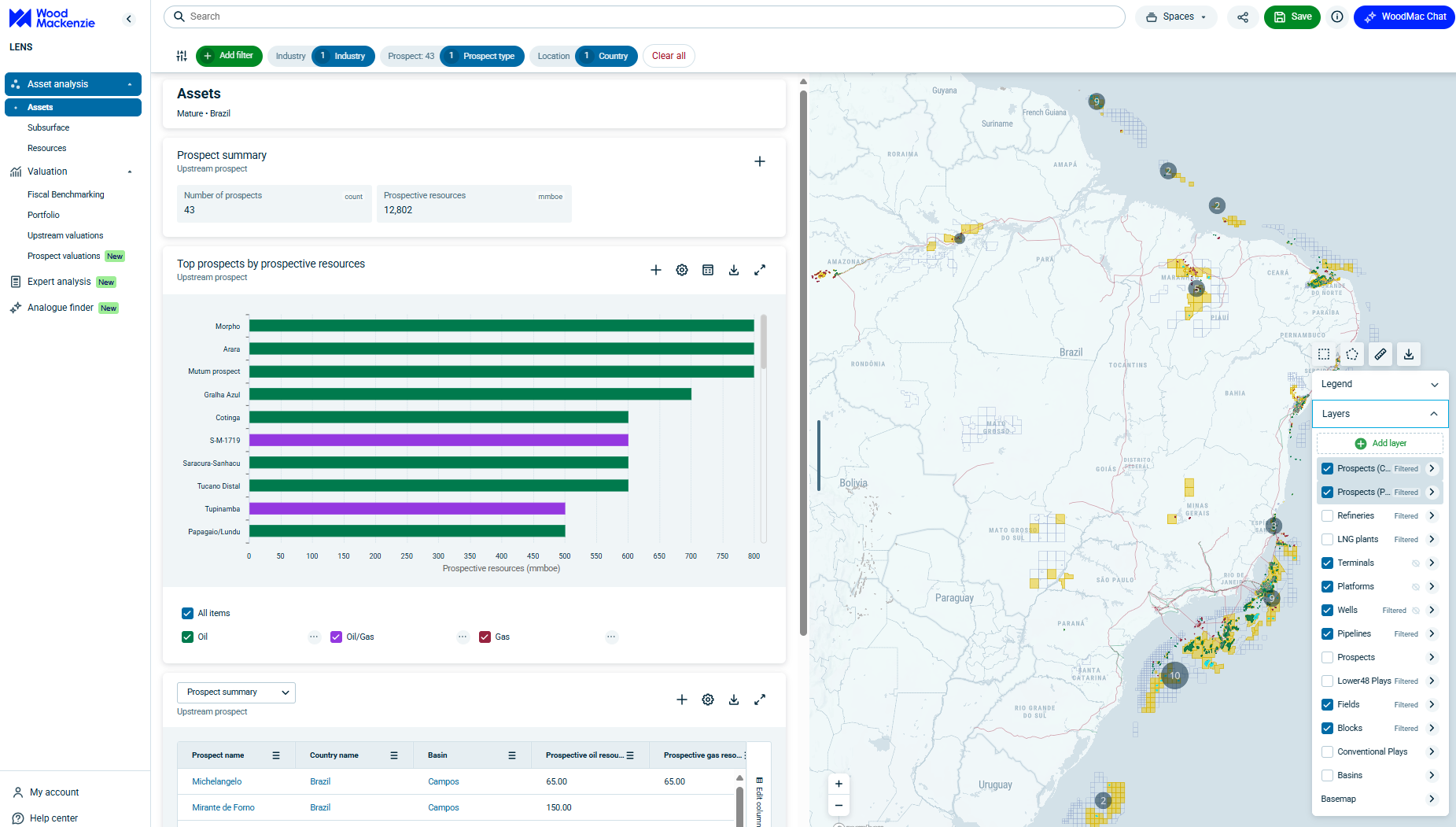
A strategy pivot back towards domestic European oil and gas resources offers exciting opportunities for E&P firms equipped with the right data and insight. Wood Mackenzie’s expert analysts have used our Lens Upstream tool to assess the viability of key European oil and gas reserves under this emerging scenario.
Fill out the form to access the rest of this article, which highlights their findings.