




Sign up today to get the best of our expert insight in your inbox
The fastest path to more power
How advanced conductors could unlock grid capacity without new transmission

Sylvia Leyva Martinez
Director, North America Utility-Scale Solar and Host of Interchange Recharged podcast

Sylvia Leyva Martinez
Director, North America Utility-Scale Solar and Host of Interchange Recharged podcast
Sylvia researches market dynamics, business models, market developments and financial strategies of solar PV projects
Latest articles by Sylvia
-
Podcast
When hydro is no longer enough
-
Podcast
The fastest path to more power
-
Podcast
Thorium’s nuclear pitch
-
Podcast
The inverter security turn
-
Podcast
Why biomining might finally work
-
Podcast
Bigger turbines, bigger consequences
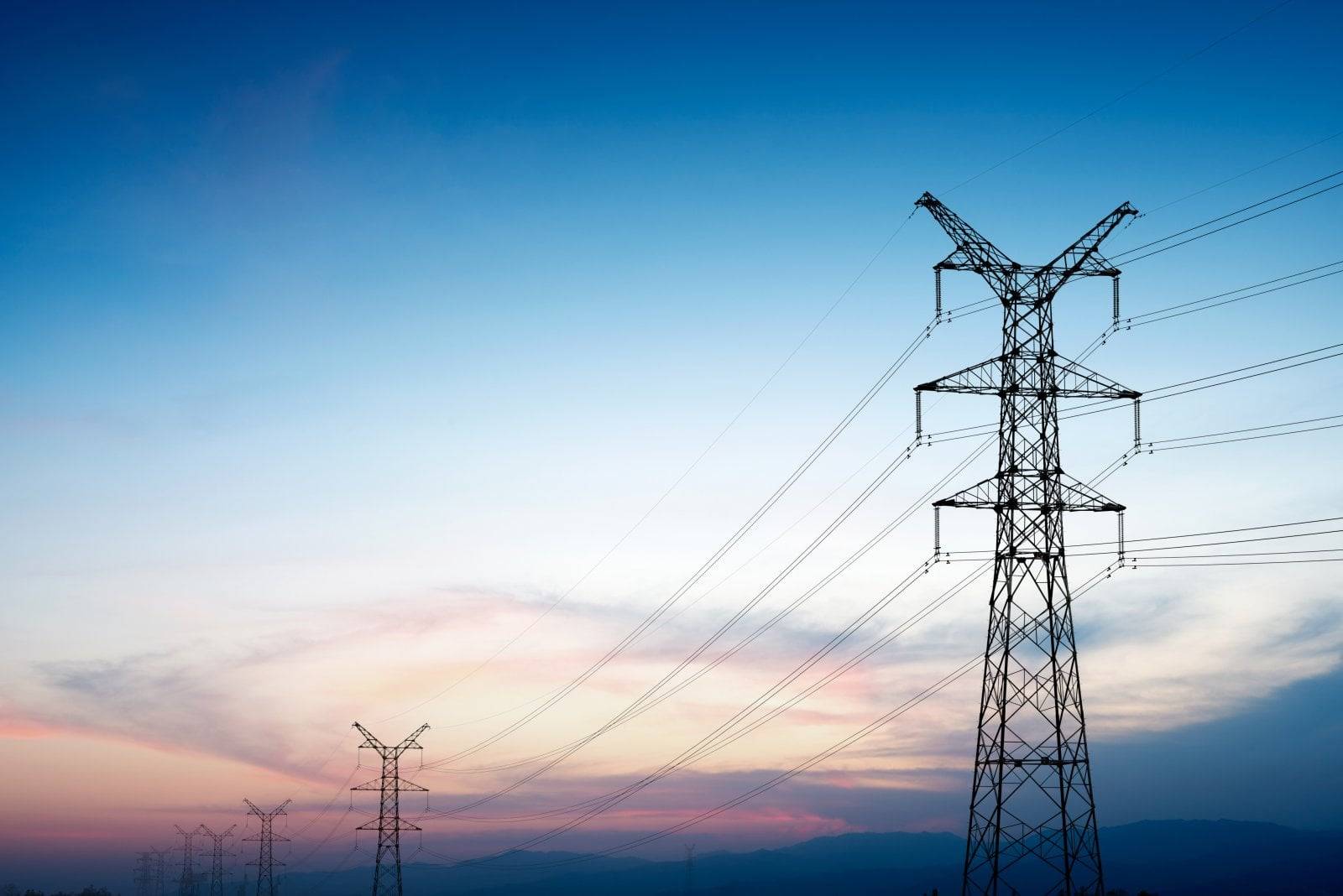
The pressure on the power system is no longer theoretical. AI, data centers, electrification, and new industrial load are arriving faster than utilities can build generation and transmission through conventional timelines. One of the least glamorous but potentially most consequential answers to that problem is how to get more capacity out of the wires already in the ground and hanging overhead.
Host Sylvia Leyva Martinez is joined by JD Sitton and Theodore Paradise of CTC Global to examine why advanced conductors are moving from a niche grid technology to a mainstream tool for utilities under pressure to deliver speed, affordability, and reliability at the same time. They explain how replacing traditional steel-core conductors with carbon-core alternatives can sharply reduce sag, increase thermal performance, and in many cases double capacity on existing rights-of-way without rebuilding towers or waiting a decade for a new line.
The conversation explores why that matters now. As Theodore argues, the grid was already under strain before AI accelerated the problem, with aging generation, load growth from electrification, and mounting congestion already testing the system. What changes in this moment is the pace. A reconductoring project can be completed in roughly 18 months, compared with five to seven years for a rebuild and 10 to 15 years for a new parallel line. JD and Theodore make the case that this speed advantage is not just about meeting data-center demand. It is also about cutting costs, easing permitting friction, reducing community opposition to new infrastructure, and improving safety by lowering the risk of heat-driven sag and vegetation contact.
Crucially, the episode asks what reliability should mean in a grid era defined by bigger load swings, tighter operating margins, and rising public scrutiny over cost. From wildfire resilience to real-time line monitoring and the ability to operate with greater confidence under stressed conditions, advanced conductors are presented not as a silver bullet, but as a proven, underused tool that could help utilities move faster and make better use of capital already committed to the system. The larger question running through the episode is whether the industry will look back on this moment and conclude that one of the simplest grid-capacity solutions was available all along.
As electricity demand continues to rise, utilities are under increasing pressure to expand grid capacity quickly, affordably, and reliably.
CTC Global is accelerating access to energy as the world’s leading manufacturer of high capacity advanced conductors.
For more than two decades, CTC Global has helped utilities meet growing electricity demand with its proven ACCC® Advanced Conductors. CTC is trusted by more than 300 utilities and industrial customers across 69 countries and 30 US states to safely and quickly deploy solutions that add the greatest amount of electricity at the lowest capital cost.
Learn how CTC Global is helping utilities bring speed to power.
