



Reassessing the short term global aluminium outlook amid rising market risk
Implications for balances, prices and regional premia
1 minute read

Uday Patel
Senior Research Manager, Global Aluminium Markets

Uday Patel
Senior Research Manager, Global Aluminium Markets
Uday has over 30 years of experience in the metals & mining sector and is focused on global aluminium markets.
Latest articles by Uday
-
Opinion
How the Middle East conflict is affecting metals markets
-
Opinion
Can Venezuela’s aluminium industry be revived?
-
Opinion
Can America smelt again?
-
Opinion
How do Western sanctions on Russia impact the global metals, mining and coal markets?
-
Opinion
Aluminium: things to look for in 2024
-
Featured
Aluminium vs plastic: who’ll win the water bottle war?
The Middle East conflict will have a lasting impact on the global aluminium market. The initial challenge for regional producers is to secure sufficient alumina and other raw materials to maintain production, even at lower utilisation rates. Meanwhile, the closure of the Strait of Hormuz and recent risks to shipping via the Suez Canal have created obstacles to exports.
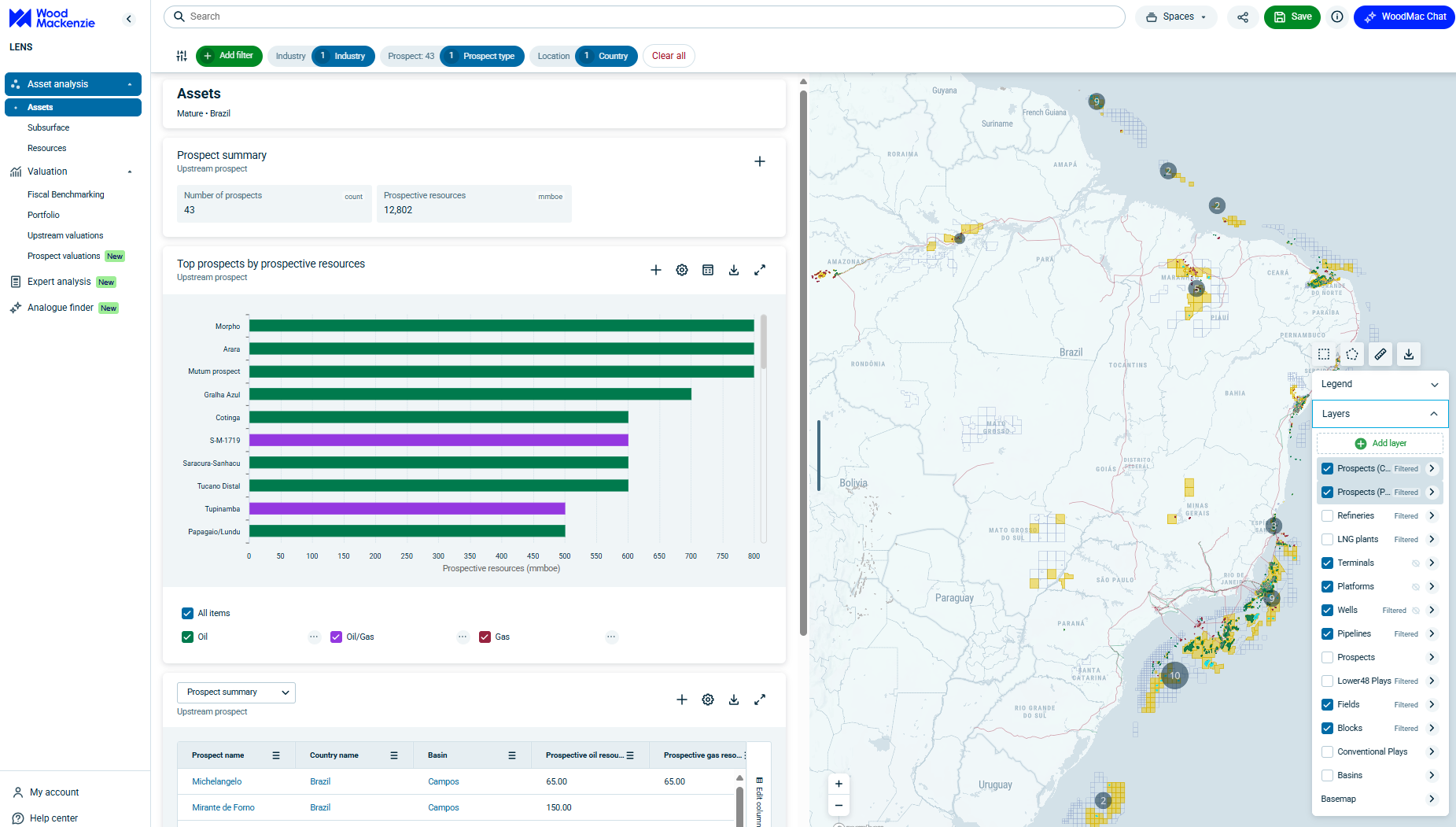
We recently updated our short-term outlook for global aluminium, using Wood Mackenzie’s Lens Metals & Mining to enhance visibility across aluminium supply, energy exposure and short-term market risk. Fill in the form to receive a complimentary extract from our report and read on for a brief introduction.
Aluminium production gap fuelling price rises
Direct attacks on smelters in the United Arab Emirates and Bahrain have intensified metal supply risks. The strikes on EGA’s Al Taweelah smelter and Alba have led us to forecast a market deficit of as much as 4 Mt in 2026, with global output down 3% on the year. A recovery to anywhere near full output will be slow.
Unsurprisingly, prices have risen. We think aluminium prices will move towards US$3,700-3,800t over the coming weeks. The market is still digesting the economic consequences of the conflict, the impact on demand and the supply shock.
To bridge the supply gap, we could see limited near-term substitution in the packaging and automotive sectors, as well as thrifting. Greater scrap use could alleviate some tight primary availability, but there are challenges. There is no escaping a large deficit in the global aluminium market over the next 18 months.
The market tightness is already being felt in physical premium activity. We have seen immediate repricing of the MJP contract and of the European duty-paid quote. An initial offer of US$250/t for the Q2 MJP contract was withdrawn right away, with the Q2 settlement reported at US$352/t. The latest developments could push the Q3 settlement above US$00/t.
Mozal closure and CBAM exacerbating European woes
In Europe, the closure of Mozal has added further upside pressure to duty-paid quotes. We see this month’s midpoint at US$468/t, up from US$348/t in February. We expect to see quotes surpassing US$600-650/t shortly. For now, consumers are drawing on inventories, built up at the end of 2025 before the carbon border adjustment mechanism (CBAM) kicked in, but these will run out eventually.
Our initial base case, calculated during the first three weeks of the conflict, projected a modest 0.4% decline in global aluminium output for 2026. China has been ramping up production amid robust margins, with projects including Xinjiang Tianshan, Zaha Nur II and Xiamen Xiangyu driving over 700 ktpa of new supply additions in 2026. Now, however, output gains elsewhere will not be able to fully offset the losses from the Middle East conflict and the Mozal shutdown.
Alumina output to remain broadly flat for now
Near-term disruptions, including gas supply issues in Western Australia and potential constraints at Al Taweelah, may tighten ex-China alumina supply. However, this is likely to be balanced out by China’s addition of over 5 Mtpa of capacity, which will more than offset the Wenfeng suspension and inland refinery curtailments. Consequently, global output should remain stable in 2026.
Alumina prices eased to US$304/t in March, reflecting persistent oversupply, though restocking provided brief support. Near-term disruptions may offer temporary relief, but sustained upside remains limited amid ongoing capacity additions. The Middle East conflict could further suppress alumina offtake, keeping 2026 prices under pressure at an average of US$290/t.
To find out more and receive a complimentary selection of slides from our report, fill in the form at the top of the page.