



The biggest topics in global upstream
Our latest Global Upstream Update was a special edition covering the sector’s reaction to high prices and disruption to production in the Middle East
1 minute read

Fraser McKay
Head of Upstream Analysis

Fraser McKay
Head of Upstream Analysis
As head of upstream research, Fraser maximises the quality and impact of our analysis of key global upstream themes.
Latest articles by Fraser
-
Opinion
Middle East conflict set to drive oil and LNG prices significantly higher
-
Opinion
Global upstream update: the biggest issues revisited
-
Featured
Upstream-oil-gas-2026-outlook
-
Opinion
Venezuela regime change: what it means for oil production, crude and product markets
-
Opinion
The latest developments in global upstream
-
Opinion
Global upstream update: diverging development strategies in Latin America, investment at risk in Africa, and Kazakhstan supply tensions explained
With US action against Iran extending into a second month, the implications for global upstream oil and gas are growing. The sector is the focus of significant current media attention, but behind the headlines, what matters for the industry itself?
Our latest Global Upstream Update highlights producers’ responses to rising prices and explores how the energy system in the Gulf and beyond has been disrupted. Complete the form at the top of the page to download a complimentary extract, or read on for a brief summary.
How could the upstream industry responding to higher prices?
We estimate that oil prices over US$100 per barrel could lead to a 2.5% increase in global production, adding around 1.8 million barrels per day (b/d) of oil and 3.5 billion cubic feet per day (bcfd) of gas, above our original forecasts. But this would require all the stars aligning and the industry getting fully behind this effort, neither of which are initially likely.
More than three-quarters of this oil upside and nearly two-thirds of additional gas would come from Latin America, North America, and Russia and the Caspian, with the rest contributed by APAC, Africa and to a very limited extent Europe. These quantities fall a long, long way short of lost Middle East exports.
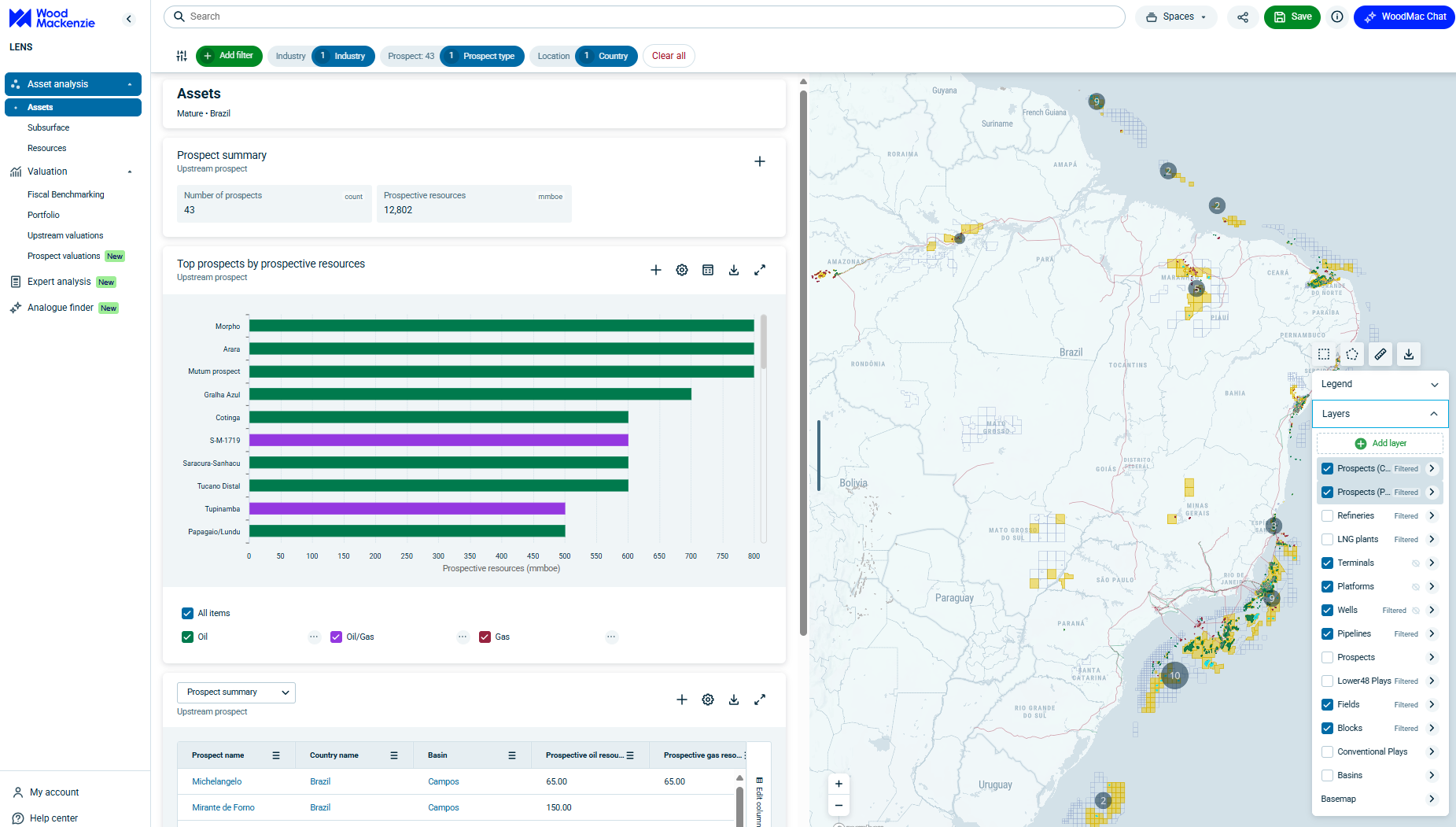
Prior to the war, planned investment in upstream projects in the Middle East was second only to North America. Data from our FID Tracker and Lens Upstream solution showed a planned spend of US$16 billion in the region on more than 20 in-flight or pre-FID projects, with a total of US$98 billion earmarked for maintenance and expansion at onstream fields. Now, at least 22% of that capex is at risk of deferment or cancellation.
Our take: the majority of near-term additions come from operational actions, with some support from short-cycle investment. For major projects, lead times from final investment decision to operation average almost three years. New projects will be unable to come online fast enough, or in nearly large enough volumes to offset lost Middle East volumes.
How much has the Middle East’s energy system been disrupted?
In the early days of the conflict, Israel shut in its Leviathan and Karish gas fields as a precaution. Since then, almost 11 million b/d of oil supply has neem curtailed as storage has filled, missile and drone strikes have hit fields, refineries and export infrastructure across Iran, Iraq, Kuwait, Saudi Arabia, Qatar, the United Arab Emirates and Bahrain.
Iranian exports have continued to pass through the Strait of Hormuz, and Saudi, Omani and United Arab Emirates cargoes continue to be exported via the Red Sea and the Gulf of Oman. However, our analysis shows that over 10% of global oil production has been shut in, with overall exports from regional producers down more than 50% from pre-war levels.
Our take: US$30 billion of upstream cash flow and taxes have been deferred by export curtailment so far. While the rest of the industry captures this windfall, while Gulf producers do not, those affected by the closure of the Strait will be able to claw back losses relative to pre-conflict prices if prices remain higher once exports resume.
Find out more
Don’t forget to fill in the form at the top of the page to access an extract from the March Global Upstream Update, which includes a range of charts and data covering these topics in more detail:
- A region-by-region breakdown of potential additional production
- An analysis of planned Middle East upstream projects at risk of delay
- Analysis of ex-Middle East global upstream projects by FID date, lead time, reserves and production potential
- A country-by-country rundown of disruption to Gulf production
- Country-by-country estimates of impacts to cash flow and tax revenues