



Insight
Mining the roof of the world: Can Tibet carry China’s copper supply growth?
*Please note that this report only includes an Excel data file if this is indicated in "What's included" below
Report summary
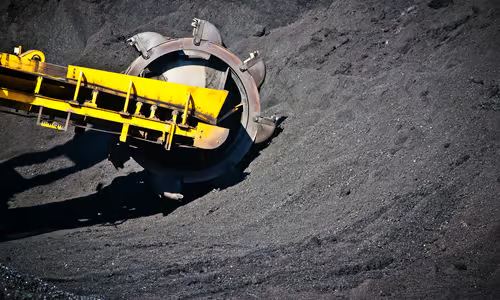
China accounts for around half of global copper smelting capacity, creating huge domestic demand for copper concentrate. Large identified copper resources in Tibet could potentially feed Chinese smelters for decades to come. But is large-scale mining in such an extreme, high-altitude environment commercially viable? At the invitation of Zijin Mining, Wood Mackenzie analysts recently completed a rare on-site technical tour of the Julong mine, the world's highest operating copper mine. This field visit provided first-hand insight into China’s high-altitude engineering capabilities, state infrastructure deployment, and upstream project pipeline across the plateau.
Table of contents
-
Introduction
- Three belts, three different propositions
- The Sanjiang Belt
- The Gangdese Belt
- The Bangongco–Nujiang Belt
- Resource endowment & exploration activities
- How Tibet differs from the Andes and the Central African Copperbelt
- The operating bases
- The pipeline projects
- 11 more item(s)...
Tables and charts
This report includes the following images and tables:
-
Figure 1: Location of the three principal copper belts in TibetFigure 2: Reserves and resources of major high-altitude copper mines in TibetFigure 3: Copper reserve scale and grade comparison for major global high-altitude copper mines
-
Figure 4: Open-pit mining operations at Julong above 5,000 metres elevationFigure 5: Tibet copper mine production outlook by project (2021 to 2040)Figure 6: Elevation profile of major global copper mines and high-altitude operational tiersFigure 7: Julong Phase 1 Tailings Storage Facility featuring comprehensive geomembrane lining and water reclamation systemsFigure 8: 2026 pro-rata C1 cash cost curve benchmarking Tibetan copper mines against global peersFigure 9: Capital intensity comparison: Tibet copper projects versus global greenfield and brownfield benchmarks
What's included
This report contains:
Other reports you may be interested in
Insight
China’s 15th Five-Year Energy Plan and Action Plan for Carbon Peaking: implications for the natural gas sector
Our interpretation of the policies and their directional impacts on China's gas demand growth
$950
Insight
Value-in-use iron ore costs Q2 2026
Q2 2026 iron ore value-in-use adjusted costs are up 5.0% compared to last quarter, and margins are below 40% in Q2 2026.
$5,000
Insight
China economic focus May 2026: the Middle East war scenarios
We assess the impact of the energy crisis on China’s economy based on the assumed duration of the Middle East conflict.
$1,150