


How the Middle East conflict is affecting metals markets
Exploring some of the key impacts of the Middle Eastern conflict on metals such as aluminium, copper, steel and iron ore
1 minute read

David Cachot
Research Director, Iron Ore

David Cachot
Research Director, Iron Ore
David has more than 15 years of experience in market research and trading across bulk commodities.
View David Cachot's full profile
Isha Chaudhary
Global Head of Steel, Raw Materials and Alloys Markets

Isha Chaudhary
Global Head of Steel, Raw Materials and Alloys Markets
With 15 years of experience in metals and mining, Isha drives research and analytics for the ferrous space.
View Isha Chaudhary's full profile
Uday Patel
Senior Research Manager, Global Aluminium Markets

Uday Patel
Senior Research Manager, Global Aluminium Markets
Uday has over 30 years of experience in the metals & mining sector and is focused on global aluminium markets.
View Uday Patel's full profile
Peter Schmitz
Director, Global Copper Markets Research

Peter Schmitz
Director, Global Copper Markets Research
Peter brings extensive copper market expertise from mine sites to boardrooms, guiding clients through industry shifts.
Latest articles by Peter
-
Opinion
How the Middle East conflict is affecting metals markets
-
Featured
Metals & mining 2026 outlook
-
The Edge
Can copper supply keep up with surging demand?
-
Opinion
Answering seven burning client questions on copper supply and demand
-
Opinion
Tariffs, trade and technology: the macro forces shaping metals markets
The US and Israel have launched coordinated strikes against Iran in the most consequential escalation of tensions in the Middle East in more than a decade. The attacks have resulted in the deaths of Iran’s Supreme Leader, Ayatollah Ali Khamenei, several senior officials and numerous civilians.
Tehran has retaliated with a series of missile and drone attacks on Israel and US military installations across the Gulf Cooperation Council (GCC) states. It has also closed the Strait of Hormuz, one of the world’s most important maritime shipping routes.
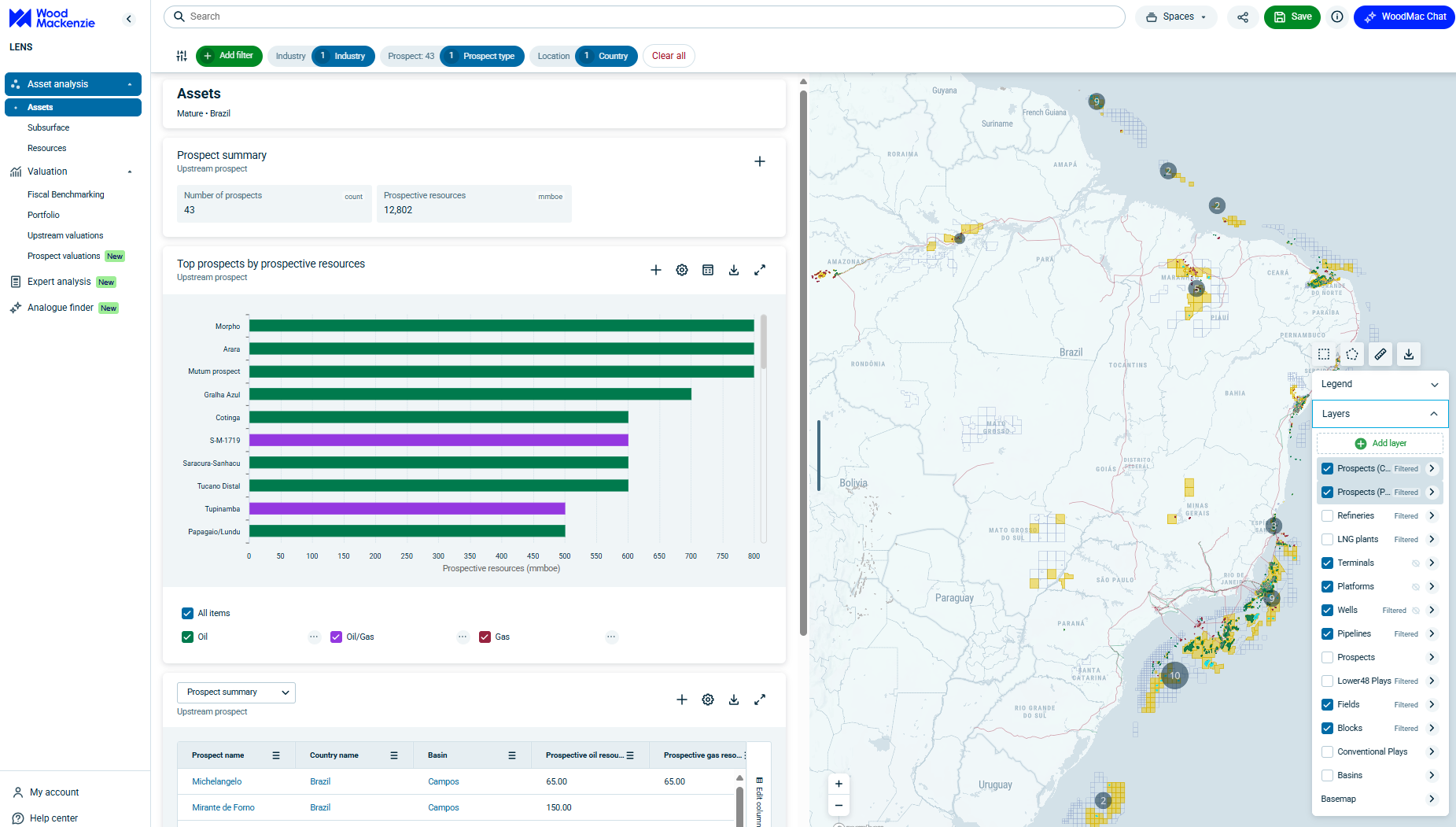
Drawing on insights from the Wood Mackenzie Lens Metals & Mining platform, Wood Mackenzie analysts have explored what the conflict is likely to mean for metal markets in the near and medium term. Read on for a brief snapshot:
Aluminium
The Middle East is a critical production hub for primary aluminium. Built on the region’s strategy to rebalance growth away from hydrocarbons and fuelled by competitively priced gas, its metal exports are an integral and vital part of the world’s ex-China aluminium supply chain.
The closure of ports and plants is likely to cause significant turbulence in the aluminium market. In February, we forecast a 200 kt global market deficit in 2026, widening to 800 kt by 2028. The loss of GCC metal outflows would significantly tighten the balance over the next 6–12 months. There are no viable ways of offsetting the loss from interrupted shipping or prolonged shutdowns.
Supply disruptions in a market already trending towards deficit will ultimately feed into higher LME prices and rising physical premiums.
Copper
Iran is a relatively small copper supplier, and production has so far been largely unaffected, with most production located away from conflict zones. While there are operations across the region, notably in Oman and Saudi Arabia, they are small and further from the conflict.
Iran accounts for less than 1% of total global demand and is unlikely to have a significant effect on the copper outlook. More broadly, the Middle East represents just 3% of global consumption and around 5% of expected copper demand growth. A significant downward shift in global copper demand, driven by reduced regional economic activity, is unlikely.
Copper market exposure is largely from indirect effects in a more extended conflict that affects economic growth more broadly.
Iron ore
The conflict carries more substantial implications for iron ore and steel, given the Middle East’s key role as a hub for direct reduced iron (DRI)–based steelmaking.
Iran plays a central role in this ecosystem. In 2025, it was the world’s sixth-largest iron ore producer and a notable supplier of high-grade concentrate and pellets, largely to China. While major mines lie in remote interior regions, making direct physical attack less likely, the infrastructure supporting them – power grids, transmission capacity and logistics corridors – will be strained by recent strikes.
War-risk premiums, vessel unavailability and rerouting around the Arabian Sea will further elevate delivered prices.
Steel
The regional conflict is morphing into a tangible global pricing risk for steel billets, slabs and rebar. The market is unlikely to wait for physical shortages to appear; risk will be priced in swiftly, adding momentum to a steel market that has been rising since the start of the year.
Iran typically exports around 4 Mt of finished steel and 7–8 Mt of semis annually, representing roughly 11% of global semi‑finished trade. With ports paralysed, this supply has effectively disappeared overnight. Billet offers have surged as buyers scramble to fill the gap.
The broader Middle East is also exposed. Any significant disruption to the Strait of Hormuz risks delaying inbound scrap, semis and DRI while simultaneously blocking outbound rebar shipments. China’s exposure may also be affected, with the Middle East accounting for roughly 13% of its steel exports.
Learn more
Fill out the form on this page to download some complimentary extracts from our recent metals reports, and find out more about Wood Mackenzie Lens Metals & Mining; the all-in-one platform that gives you a consistent, precise view of the full metals value chain across 4000+ mines, 750+ smelters and 450+ metal refineries.