



Seeing the grid before the market
Why physical measurement matters in faster, more constrained power markets
1 minute read

Matthew Boyda
Senior Vice President, Trading Solutions

Matthew Boyda
Senior Vice President, Trading Solutions
Discover how Matthew's leadership is shaping the power and renewables industry with cutting-edge insights and analytics.
Latest articles by Matthew
-
Opinion
Seeing the grid before the market
-
Opinion
Seeing before the market: exclusive physical intelligence for Americas oil trading
-
Opinion
Trading further-out futures: tackling renewable-fuelled congestion
The North American power grid has changed fundamentally. Demand is surging in ways that public data cannot track. Generation is increasingly weather-dependent. Transmission margins are thinner than at any point in recent history.
Most trading desks are still running on data built for a different grid. Wood Mackenzie’s new white paper documents the gap and what it costs.
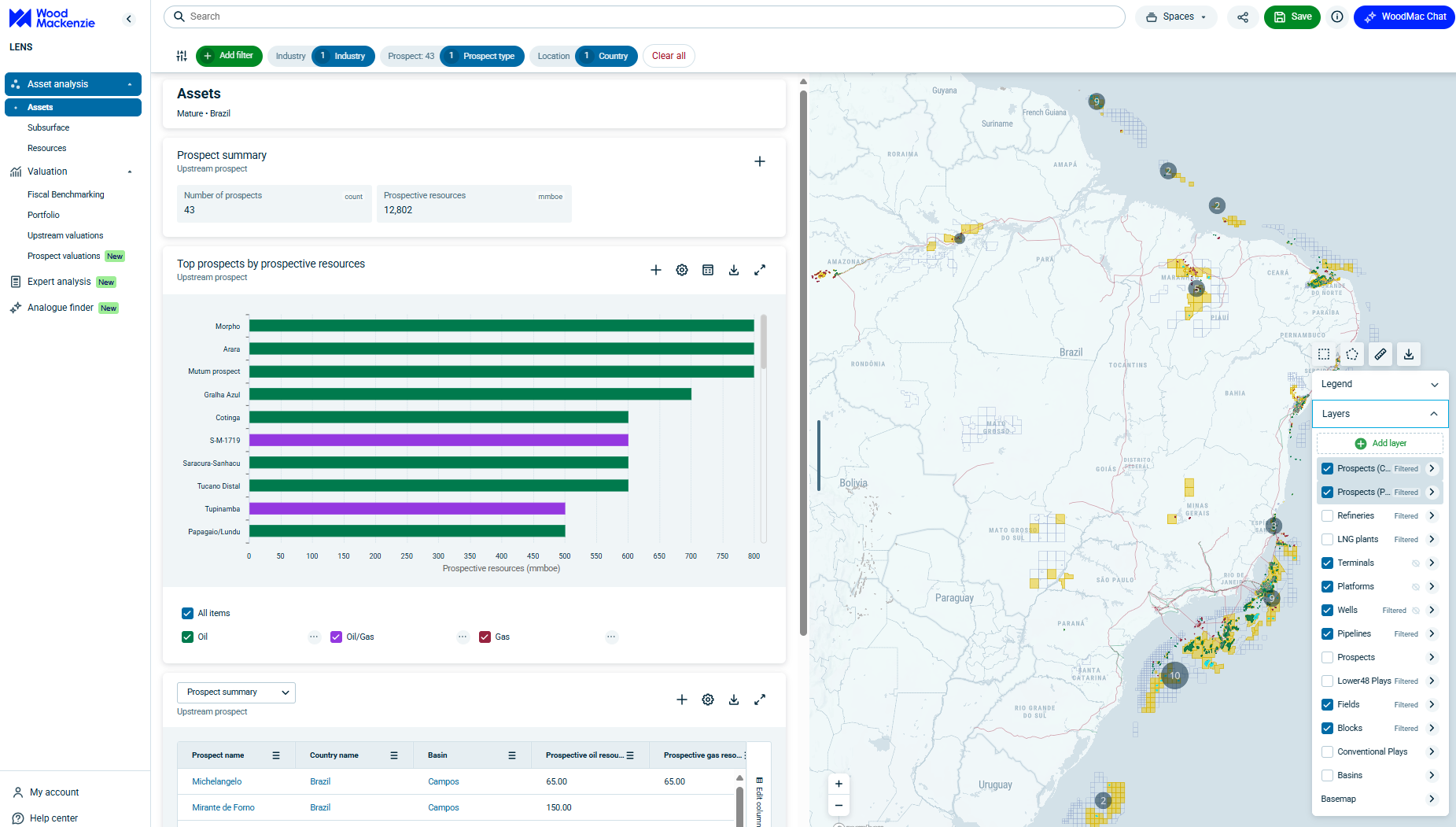
This paper examines how that information gap is emerging as structural shifts reshape North American power markets. Seeing the Grid Before the Market introduces a physics-first approach built on Wood Mackenzie’s proprietary sensor network, capturing direct physical measurements of grid conditions as they occur. This sensor-based view provides a clearer, earlier picture of what is already happening on the system, often ahead of ISO dispatch and public reporting.
Below is a short preview of three themes explored in more detail.
- Structural shifts are reshaping power markets: demand growth, weather-dependent generation, and tightening transmission margins are altering how the grid behaves in real time
- Conventional data sources are falling short: many existing datasets were designed for a more stable system and cannot fully capture the speed and complexity of current grid conditions
- Physical measurement provides earlier visibility: a physics-based sensor network offers a measurably earlier view of real-world grid conditions as they unfold
Fill in the form to access the full white paper.