



Video | Data centres, copper and the power paradox
AI-driven growth is lifting copper demand, but power availability could constrain supply
2 minute read

Julian Kettle
Vice Chairman of Metals and Mining

Julian Kettle
Vice Chairman of Metals and Mining
Latest articles by Julian
-
Opinion
Video | Data centres, copper and the power paradox
-
Opinion
Energy security shocks and coal’s role in a fragmented world
-
Opinion
Answering seven burning client questions on copper supply and demand
-
Opinion
Metals investment: the darkest hour is just before the dawn
-
Opinion
Ebook | How can the Super Region enable the energy transition?
-
The Edge
Can battery innovation accelerate the energy transition?

Alex Griffiths
Director, Metals & Mining, Curated Services

Alex Griffiths
Director, Metals & Mining, Curated Services
Alex draws on his experience as a Resource Geologist to analyse and forecast global steel and iron ore markets.
Latest articles by Alex
-
Opinion
Coal under pressure: navigating volatility in Australia's thermal coal market
-
Opinion
Is coal really the energy insurance policy governments hoped for?
-
Opinion
Video | Copper versus aluminium: is the substitution story overblown?
-
Opinion
Video | Data centres, copper and the power paradox
-
Opinion
Energy security shocks and coal’s role in a fragmented world
-
Opinion
Green steel gets a boost from European economic recovery plans

Shashank Sriram
Senior Research Analyst, Aluminium Markets

Shashank Sriram
Senior Research Analyst, Aluminium Markets
Shanshank has 10 years of Aluminium industry experience within technical and management roles.
Latest articles by Shashank
-
Opinion
From copper to coal: How data centres are causing new pressures across commodity markets
-
Opinion
Video | Data centres, copper and the power paradox
-
Opinion
Aluminium at a crossroads: synchronising supply growth with decarbonisation
Data centres are shifting from a cloud-led to an AI-driven growth story, with implications for both copper and aluminium demand. As build-out accelerates, metals intensity spans both the data centre itself and the surrounding infrastructure required to power it.
Copper is expected to remain dominant within the data centre 'box', particularly in high-density applications such as servers, CPUs and last-mile cabling, where performance is critical. Beyond the box, demand extends into power systems (including cabling, transformers and grid connections) highlighting the broader, system-wide impact.
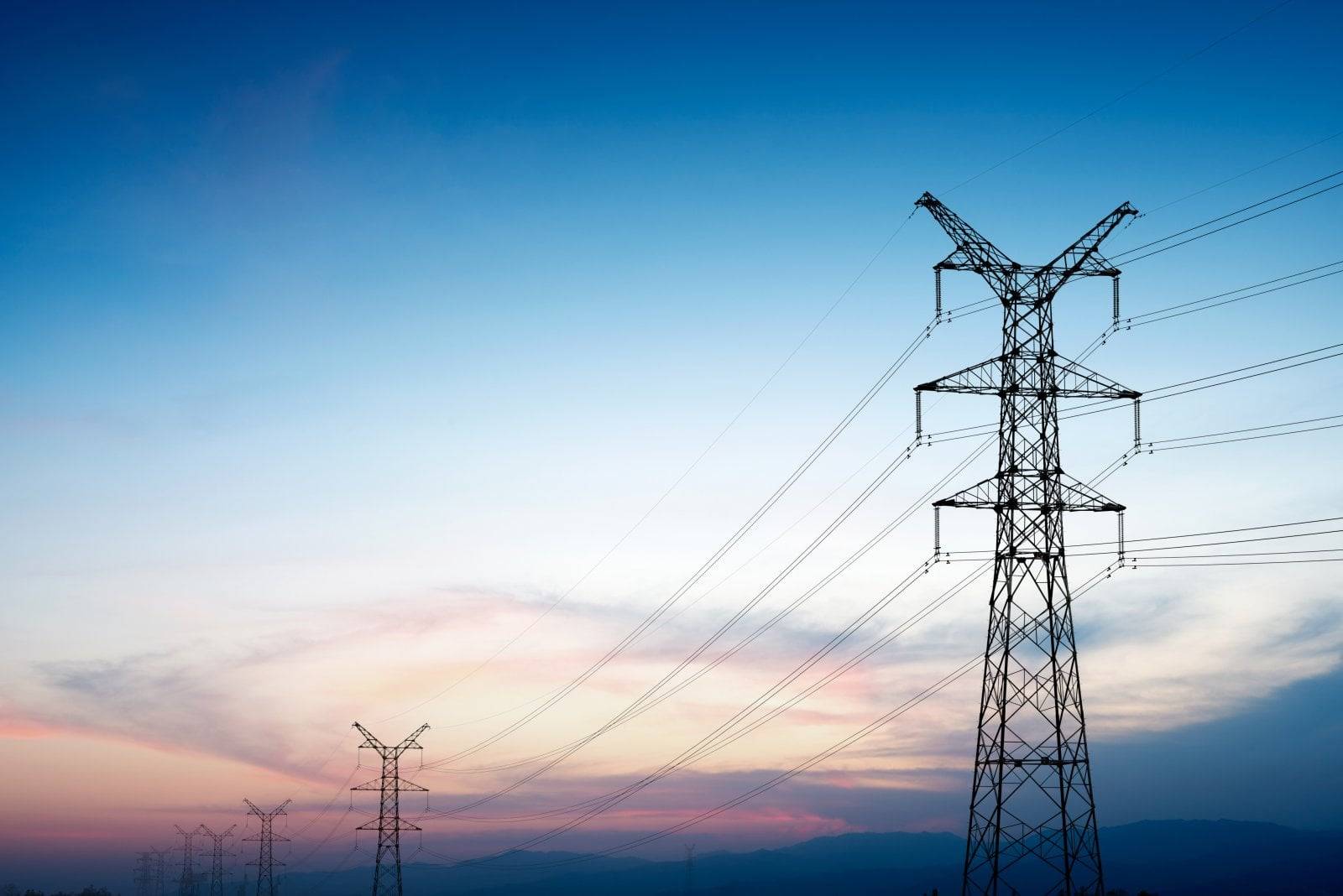
Estimates suggest copper demand of around 20 kt per gigawatt of capacity, underscoring the scale of potential upside as deployment grows. But the outlook is not without constraints. Data centres and metals production share a common dependency on power, creating direct competition for electricity.
This gives rise to a 'chicken-and-egg' dynamic: the same build-out driving metals demand may also limit the ability to produce those materials at an economic cost. At the same time, while capital costs are rising, power availability, not price, may ultimately prove the binding constraint.
In the full episode, we explore:
- How copper demand differs inside vs outside the data centre
- The role of substitution between copper and aluminium, and where it matters most
- Why data centre growth may be less sensitive to metals prices than expected
- The emerging competition for power between data centres and metals production
- How much demand upside data centres could generate at scale
- Why location is as important as magnitude for future growth