




Sign up today to get the best of our expert insight in your inbox
It is too hard to build things in America
Can permitting reform begin a new era for energy investment?

Ed Crooks
Vice Chair Americas and host of Energy Gang podcast

Ed Crooks
Vice Chair Americas and host of Energy Gang podcast
Ed examines the forces shaping the energy industry globally.
Latest articles by Ed
-
Podcast
AI beyond the hype
-
Opinion
US oil production starts to respond to higher prices
-
Podcast
Can energy security and climate action work together?
-
Opinion
US permitting reform plan could transform energy investment
-
Podcast
Energy in a more dangerous world
-
Opinion
US considers diesel export restrictions
America is facing an energy supply crisis created by surging demand for electricity from data centres. A transition to a lower-carbon system requires massive investment in new clean energy infrastructure. But legal and regulatory structures mean that developing projects in the US is often an uncertain, drawn-out and expensive process.
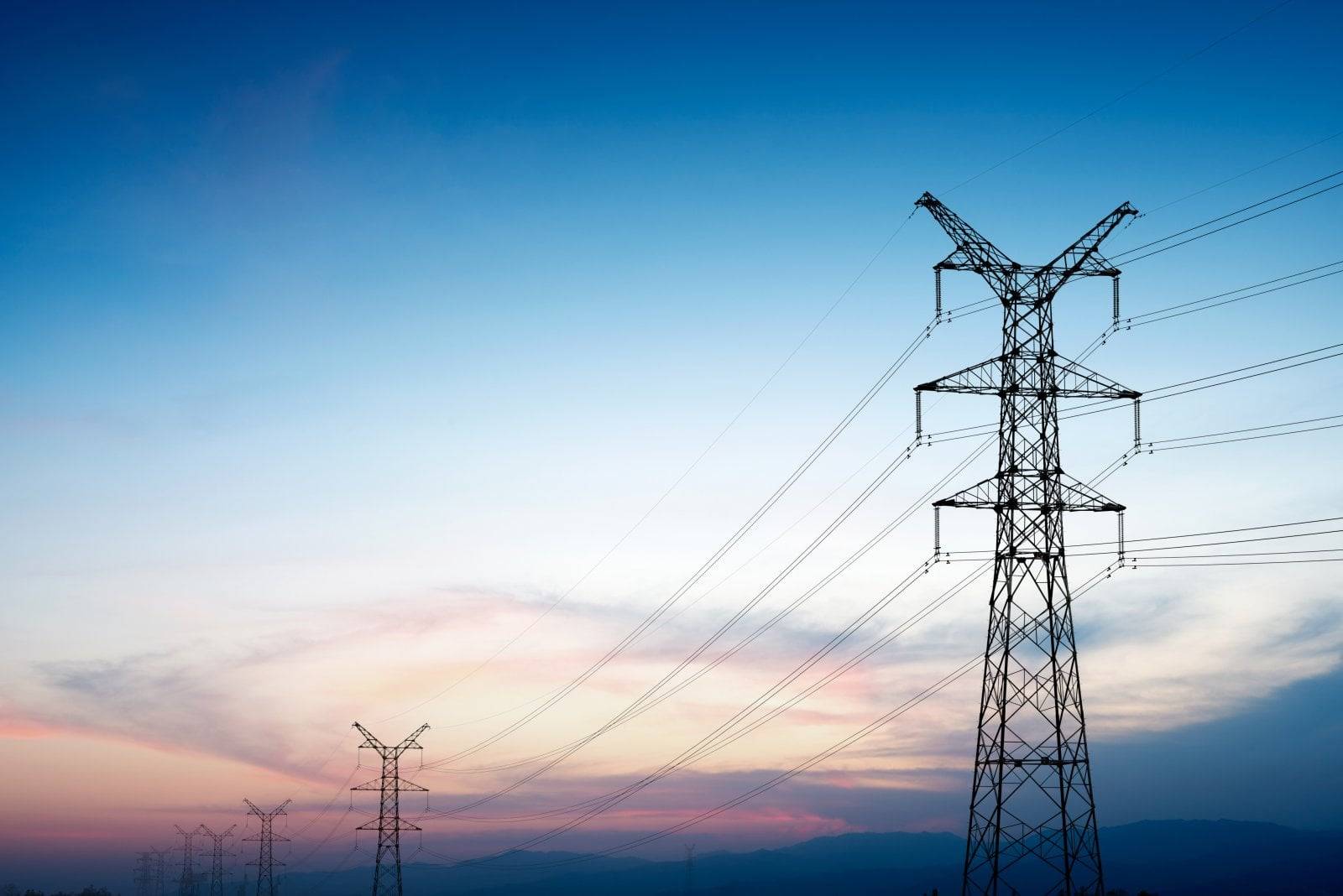
To take just one example, new transmission infrastructure is vital for connecting renewable generation to concentrations of electricity demand. But the last time the US added more than 1,000 miles of high-voltage transmission lines in a year was 2016.
In this episode, host Ed Crooks is joined by Representative Scott Peters to discuss what Congress can do to help fix that. Scott is a Democratic member of the House of Representatives and a co-sponsor of the bipartisan CERTAIN Act, a new bill that attempts to take some of the risk and unpredictability out of the legal procedures for project development.
Along with regular contributor Melissa Lott, Partner for Energy Technologies at Microsoft, they discuss whether reform of the permitting system can really help expedite investment in new energy projects. And they assess how likely it is that Congress will be able to make a deal and get a more streamlined system passed into law.
The conversation starts with NEPA, the National Environmental Policy Act. Passed in 1970, it is the bedrock for environmental permitting for infrastructure projects. It is also the most litigated environmental statute in the US. A major project can take four years to prepare an environmental impact statement, with another four years of litigation to follow. As Scott points out, when NEPA was written there were few other environmental protections. Now there are dozens, yet the review process has only grown more burdensome.
Melissa frames the core tension: NEPA was designed to inform decisions, not make them. But open-ended review processes have effectively become the decision, determining which projects live or die.
Scott explains the current state of the legislative landscape. There are three key elements of a potential bipartisan agreement on reform. The CERTAIN act sets regular permitting milestones and protects issued permits from arbitrary revocation. The SPEED Act, which has already passed in the House, limits the need for environmental reviews, shortens timetables, and restricts the scope for subsequent challenges in the courts. And there are moves for new legislation specifically to support development of electricity transmission. A final deal in Congress is likely to include all three elements.
Melissa discusses whether federal reform alone can transform the pace of delivery. Ed raises the question of whether the legal rights and political authorities enshrined in the US system mean that infrastructure development must always be a costly and protracted business. He cites Wood Mackenzie data showing US solar costs are more than double those in China. Scott counters with Texas, where a free-market approach has driven rapid renewable deployment, not because of climate concerns but because the market demanded it.
The politics of permitting reform have shifted. Republicans wanted to limit the federal government’s ability to block oil and gas projects. Now many Democrats support curbs on the executive’s power to obstruct renewable energy development. The issue has risen up the political agenda after the Trump administration moved to block offshore wind projects already under construction, and delayed permits for onshore wind.
Scott closes by arguing that this is the best opportunity for lasting permitting reform that he has seen in his 14 years in Congress.
Follow the show wherever you're listening so you don't miss an episode. Let us know what you think. We're on X, at @theenergygang.
Nuclear is back and Bechtel is helping build what comes next
For more than 70 years, Bechtel has helped shape the nuclear industry, from work on the world’s first commercial nuclear reactor to designing, constructing, and servicing more than 150 nuclear plants worldwide. Bechtel has helped bring more than 76,000 megawatts of nuclear power online globally.
Today, Bechtel is helping deliver the next generation of nuclear energy, from large-scale plants to small modular and advanced reactors, using the company’s decades of mega-project delivery experience to bring new nuclear online safely, reliably and at scale.
Learn more at bechtel.com/nuclear.
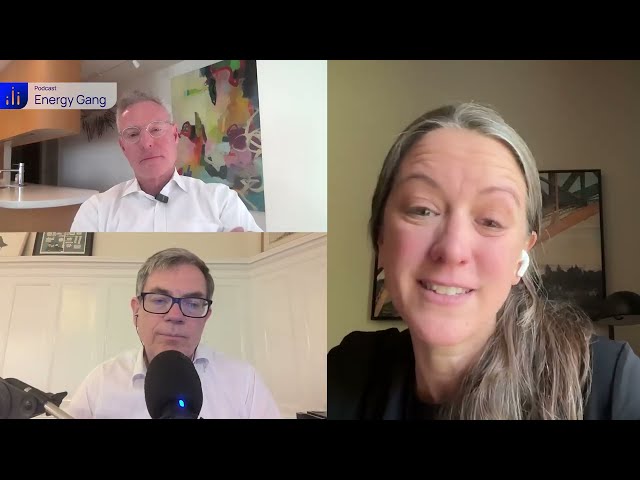
Energy Gang is now available as a video podcast on YouTube. Follow the link below to watch this week's episode, featuring Representative Scott Peters and regular guest Melissa Lott, Partner for Energy Technologies at Microsoft. You can also explore the archive.
Energy Gang is a bi-weekly podcast. Join Ed Crooks and the gang for their take on the biggest energy stories shaping the world, with sharp analysis from top experts in climate, policy and the energy industry.